How to Walk the Dog Topwater Lures: A Practical Guide to Better Cadence, More Blowups, and Fewer Misses
Learn how to fish a walk-the-dog topwater bait with the right rod position, line control, cadence, and pause timing so you can make a walking lure work consistently and convert more surface strikes.
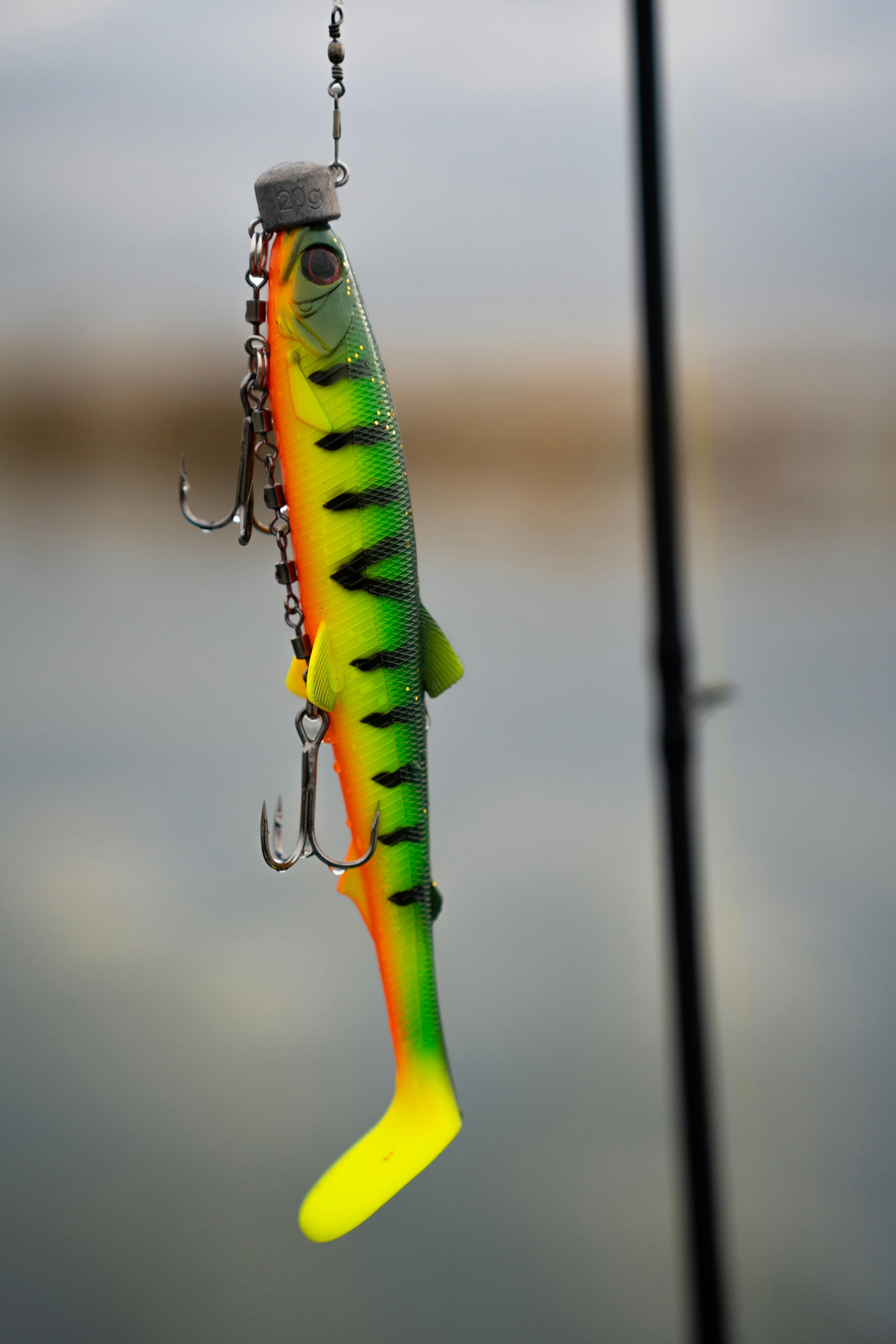
A walking topwater bait can be one of the most exciting lures in fishing. Few things beat seeing a fish explode on the surface, miss once, circle back, and then crush the bait on the next twitch. But for a lot of anglers, that excitement comes with frustration. They buy a proven walking bait, make a few casts, and the lure just tracks straight, rolls over, or drags awkwardly instead of gliding side to side.
That is usually not the bait’s fault. It is almost always a rhythm problem.
The “walk the dog” retrieve works by creating controlled slack and using short downward twitches to make the lure pivot from one side to the other. Recent technique writeups still agree on the same fundamentals: keep the rod tip low, manage semi-slack line instead of a tight straight pull, and build a repeatable twitch-reel rhythm. Wired2Fish’s current topwater coverage also still emphasizes that walking baits can call fish from a surprising distance when the cadence stays clean and consistent.
Once you understand that this is really a line-control technique rather than just a lure-choice trick, the whole retrieve becomes easier.
Why walking baits work so well
A good walking bait does not just move left and right for style points. It imitates an injured or distracted baitfish that cannot travel in a straight clean line. That wandering surface track creates flash, sound, and directional changes that make predatory fish commit.
This is why walking baits shine when:
- fish are feeding upward in warm water
- baitfish are active near the surface
- you need to cover shallow water quickly
- you want to call fish from grass edges, flats, points, or open lanes over submerged cover
They are especially effective when you need a lure that can stay near the surface longer than a buzzbait but still show more side-to-side life than a straight chugger or popper.
The key idea: walking is created with slack, not with tension
This is the biggest beginner lesson.
If your line stays tight the entire time, the bait usually pulls forward in a straight path. To make it walk, each twitch has to hit the lure with just enough controlled slack that the nose kicks off-center rather than simply getting dragged ahead.
Think of it this way:
- too tight and the bait tracks forward
- too much slack and you lose control
- controlled semi-slack and the lure starts gliding left-right-left-right
That balance is what you are chasing.
A simple setup that makes learning easier
You can technically walk a bait on a spinning setup, but most anglers learn faster with tackle that keeps the bait under better control.
A strong starting setup looks like this:
- a 6’6” to 7’ medium or medium-heavy casting rod with a reasonably fast tip
- a baitcasting reel in a moderate to fast gear ratio
- 30 to 40 lb braid or 12 to 17 lb monofilament depending on cover and lure size
- a walking bait sized to match your local baitfish and conditions
Why this works:
- a shorter to mid-length rod helps keep the tip down without slapping the water all day
- braid gives crisp response and easy slack pickup
- mono still works well because it floats and can soften the strike window a bit on topwater
One thing most anglers avoid here is fluorocarbon as a main line for surface walkers. Because it sinks more than braid or mono, it can pull the nose of the bait down and make the action less clean.
Step 1: Start with the right rod position
Your rod tip sets up the whole retrieve.
Action: Hold the rod tip low, pointed toward the water, usually slightly off to your dominant side.
Common mistake: Working the bait with the rod tip high in the air like a jerkbait.
Expected feel: The bait should feel connected, but not pinned tight, and your rod should be in a comfortable position to twitch all the way back.
A low rod tip helps each twitch travel sideways into the bait instead of lifting it unnaturally.
Step 2: Make the cast and let the rings settle
Walking baits often get bit right after splashdown, but your normal routine should be calm and deliberate.
Action: After the lure lands, let the ripples fade for a moment, then point the rod down and prepare to create the first bit of slack.
Common mistake: Reeling instantly and pulling the bait forward before it is set up.
Expected feel: You should feel like you are starting the retrieve on your terms, not rushing the first movement.
This brief pause also helps when fish are tracking the lure from below.
Step 3: Use a twitch-and-recover rhythm
The classic walking cadence is simple:
twitch, recover slack, twitch, recover slack
Notice what is missing from that sentence: a hard sweep.
You are not ripping the lure. You are making short, controlled downward pops with the rod while the reel only picks up the slack you just created.
Action: Twitch the rod tip downward with your wrist, then turn the handle just enough to stay in touch before the next twitch.
Common mistake: Reeling continuously while twitching, which keeps the line too tight and kills the glide.
Expected feel: Once it clicks, the lure will start to swing from side to side without much effort.
For many baits, the best motion is smaller than beginners expect. Shorter twitches often produce a cleaner walk than dramatic rod snaps.
Step 4: Let the bait tell you how long the twitch should be
Different walking baits do not all want the same input. Recent how-to pieces still make this point clearly: each lure has its own sweet spot for twitch length and cadence.
Some baits respond to tiny wrist taps. Others need a slightly longer pull before they really swing wide.
Action: Spend the first few casts experimenting with short, medium, and slightly longer downward twitches.
Common mistake: Assuming every walking bait should be worked exactly the same way.
Expected feel: When you find the right stroke length, the bait starts walking with much less effort and the cadence becomes repeatable.
If the lure keeps blowing out, reduce the violence of the twitch before you blame the bait.
Step 5: Match your cadence to fish mood and water conditions
Walking baits are not one-speed tools.
A quick, aggressive cadence can be excellent when fish are feeding hard in warm water, around schooling activity, or over expansive flats where you want to trigger reaction strikes. A slower cadence with deliberate pauses is often better when fish are following but not fully committing.
Try three base rhythms:
- Fast walk: rapid side-to-side movement with little pause
- Medium walk: steady, even cadence with brief hesitation points
- Walk-pause-walk: a few clean glides, then a stop, then restart
Recent retrieve guidance across topwater articles still supports the same principle: changing cadence, adding pauses, and briefly stopping the lure often triggers strikes that a flat retrieve will not.
Step 6: Pause on targets, corners, and misses
A walking bait is not just for open-water rhythm. It is also a target bait.
When the lure reaches:
- the end of a grass lane
- the outside corner of a dock
- a shade edge
- a point of isolated cover
- the spot where a fish just missed the bait
pause it.
Action: Stop the bait for a beat or two, then restart with one or two smaller twitches.
Common mistake: Speeding the lure away from the strike zone as soon as it reaches the best target.
Expected feel: The lure should look vulnerable, like it lost direction for just long enough to get eaten.
Many missed topwater bites happen because the angler panics and rips the bait away right after the swirl.
Step 7: Wait before swinging on the strike
This is the hardest part emotionally.
When a fish blows up on a walking bait, your hands want to react instantly. That reaction causes a lot of missed fish. Current topwater instruction still stresses the same correction: do not jerk the bait away the moment you see the explosion.
Action: Keep working or simply load the rod until you feel the fish.
Common mistake: Setting the hook at the splash instead of at the weight.
Expected feel: The rod should tighten under actual load before you drive the hooks home.
If you struggle with this, say “wait” out loud on every strike until the habit improves.
Where a walking bait shines most
Walking baits are especially strong around:
- shallow grass flats
- points and secondary points
- seawalls and riprap early or late in the day
- open lanes over submerged vegetation
- baitfish activity in calm to lightly rippled conditions
They can still work in chop, especially louder models, but many anglers learn faster in calmer water because it is easier to read the lure’s track and correct the cadence.
Troubleshooting the most common problems
The bait keeps running straight
You are probably keeping the line too tight. Use a smaller twitch and delay the slack pickup slightly.
The bait rolls over or skips badly
Your rod motion is likely too violent. Shorten the stroke and smooth out the rhythm.
The lure only walks one good step, then dies
You are probably recovering too much line after each twitch. Reel less.
Fish blow up but do not hook up
Add pauses, vary cadence, and wait until you feel the fish before setting. Sometimes downsizing the bait also helps.
You cannot do it consistently all the way back
That usually means your posture or rod angle is getting sloppy late in the retrieve. Reset the tip low and keep the same wrist-driven motion all the way to the boat or bank.
A simple practice drill that speeds up the learning curve
Do not wait for a feeding window to learn this retrieve.
Find a calm shoreline, pond edge, or clear bank where you can actually watch the bait. Spend fifteen minutes making short casts and trying to produce ten clean side-to-side walks in a row. Then practice three cadences: fast, medium, and pause-heavy.
This visual practice matters because once you see what a good walking rhythm looks like, your hands learn it much faster.
Final thought
Walking the dog is one of those techniques that feels awkward until it suddenly feels easy. The breakthrough usually does not come from buying another lure. It comes from understanding that the bait needs controlled slack, a low rod tip, and a repeatable twitch-recover rhythm.
Once that clicks, a walking topwater stops being a “special occasion” lure and becomes a dependable tool for covering water, drawing fish up, and getting some of the most violent strikes in fishing.
Keep the rod tip low. Reel just enough. Twitch smaller than you think. And when the water erupts, make yourself wait for the weight.