Ultralight Fishing Setup for Beginners 2026: Best Rod, Reel, Line, and Lures for Trout and Panfish from Shore
Build a practical beginner ultralight fishing setup for 2026 with the right rod length, reel size, line, and simple lure choices for trout and panfish from shore.
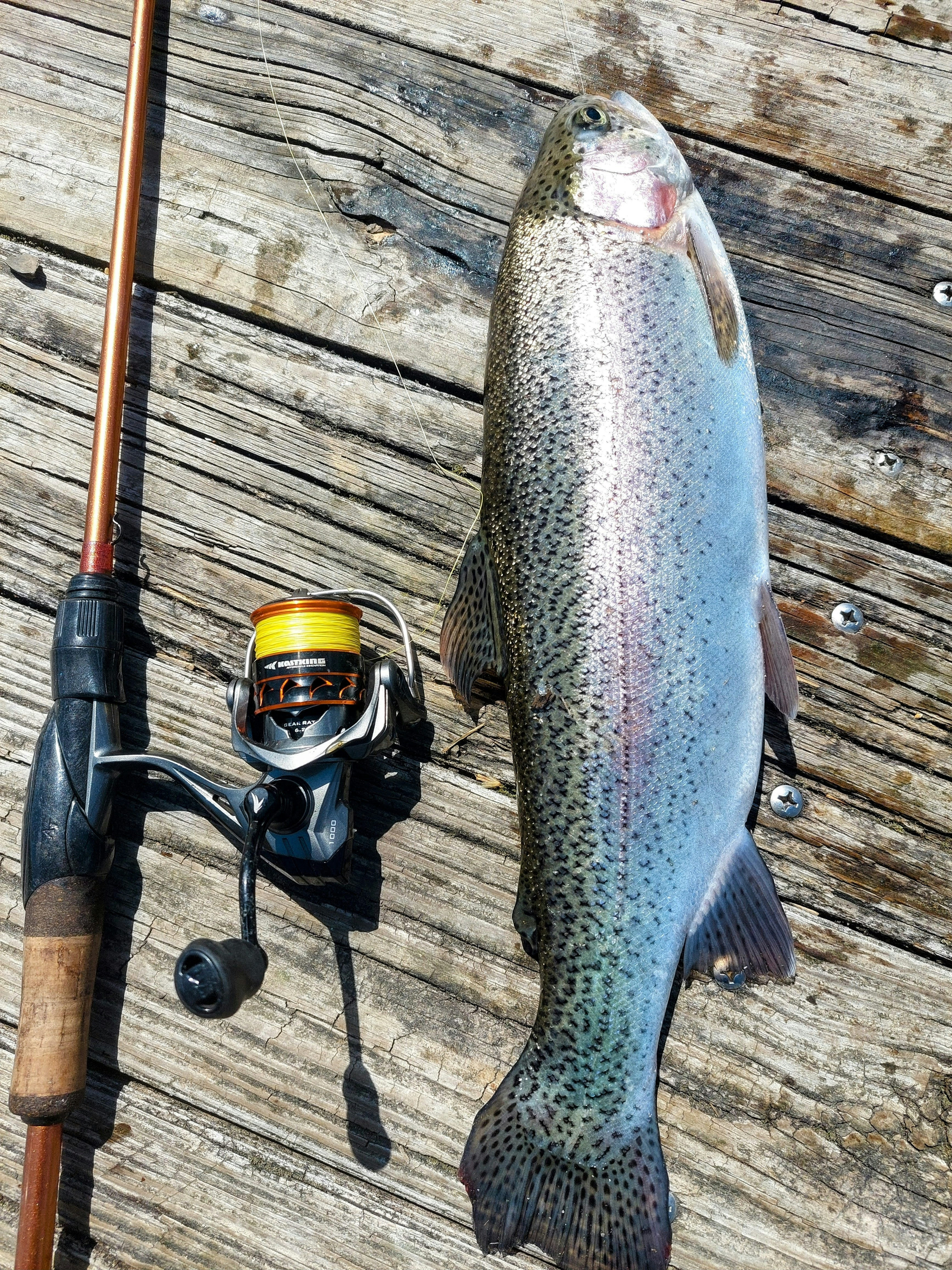
Ultralight Fishing Setup for Beginners 2026: Best Rod, Reel, Line, and Lures for Trout and Panfish from Shore
If you want the easiest way to make freshwater fishing feel fun fast, an ultralight spinning setup is still one of the best answers in 2026. It is simple, affordable, easy to carry, and perfect for the kind of fish that keep beginners interested: stocked trout, wild stream trout, bluegill, crappie, and other panfish that actually bite from shore.
The trap is going too tiny, too technical, or too cheap.
A good beginner ultralight setup should help you cast small lures cleanly, protect light line, and handle fish without making every cast feel fussy. Based on current 2025-2026 guidance from major tackle brands and recent gear roundups, the most practical starting point is still a 5’6” to 6’6” ultralight or light spinning rod, a 500 to 1000 size spinning reel, 2- to 4-pound mono or copolymer, and a small group of 1/32- to 1/8-ounce lures.
The Best Beginner Ultralight Setup at a Glance
If you want one simple shopping list, start here:
- Rod: 6’ ultralight or light spinning rod
- Reel: 1000 size spinning reel
- Main line: 4-pound monofilament or copolymer
- Leader: optional 4-pound fluorocarbon leader if water is very clear
- Lure range: 1/32 to 1/8 ounce
- Main targets: trout, bluegill, crappie, creek fish, small pond fish
That setup is forgiving enough for beginners but still light enough to do what ultralight gear is supposed to do: cast small baits well and make smaller fish genuinely enjoyable.
Why Ultralight Gear Makes Sense for Beginners
A lot of beginner fishing advice defaults to medium spinning tackle because it is versatile. That is fine when you want one setup for everything. But if your actual plan is to fish public ponds, creeks, easy bank spots, stocked trout water, and neighborhood lakes, ultralight gear often makes more sense.
Why it works:
- it casts small lures better than all-purpose medium tackle
- it matches trout and panfish more naturally
- it helps beginners feel bites that heavier rods can hide
- it makes simple shore fishing more engaging instead of dull
- it keeps your setup lighter and less tiring for long bank sessions
This is especially true in spring, when trout often cruise shallower water and panfish start using warming edges, docks, weed lines, and protected coves.
Choosing the Right Rod
For beginners, rod length and power matter more than brand hype.
Best rod length
The safest range is 5’6” to 6’6”.
- 5’ to 5’6” works well around small creeks, brushy banks, and tight casting lanes
- 6’ to 6’6” is the best all-around range for most shore anglers because it gives you better casting distance without feeling awkward
- Longer than 7’ can help in open water, but it is usually unnecessary for a first ultralight setup
Best power and action
- Ultralight power is best if you mainly throw tiny jigs, spinners, and trout baits
- Light power is a smart pick if you want a little more flexibility for slightly larger panfish lures, float rigs, or the occasional small bass
- Fast or moderate-fast action is usually the easiest blend of bite detection and forgiveness
If you only want one answer, buy a 6’ ultralight fast-action spinning rod or a 6’ light fast-action rod if you prefer a bit more range.
Picking the Right Reel Size
For this job, smaller is better.
A 500 or 1000 size spinning reel is the right starting point for most beginners. That size balances well on ultralight rods, handles light line cleanly, and keeps the whole outfit easy to fish for hours.
A 1000 size is the safest all-around choice because:
- it is easier to manage than the tiniest reels
- it usually gives you a smoother drag than bargain micro reels
- it holds enough light line for trout ponds, creek fishing, and bank fishing
- it pairs well with both ultralight and light rods
A 2000 size reel can work, but it starts to make the setup feel less purpose-built for tiny lures.
Best Line for Beginner Ultralight Fishing
For a true beginner, 4-pound monofilament is still the easiest answer.
Why mono wins first:
- it is cheap
- it is easy to manage
- it has some stretch, which helps protect light hooks and light line
- it is forgiving when your drag and hookset are not perfect yet
Other workable options:
- 2-pound mono or copolymer for very clear water and very small trout presentations
- 4- to 6-pound braid with a 4-pound leader if you already know how to manage braided line and want more casting distance and sensitivity
- 4-pound fluorocarbon leader when water is clear and fish are spooky
If you are just starting, avoid overcomplicating it. Spool the reel with 4-pound mono, fish it, and learn what you like before experimenting.
Best Lures for Trout and Panfish from Shore
You do not need a giant tackle box. In fact, beginners usually do better with fewer choices.
Start with these:
1. Small inline spinners
A size 0 or 1 inline spinner is one of the best beginner trout lures ever made. It casts easily, starts working quickly, and teaches you how retrieve speed changes lure action.
2. 1/32- to 1/16-ounce jigheads with small soft plastics
These are excellent for bluegill, crappie, stocked trout, and general pond fish. They are cheap, versatile, and easy to fish slowly.
3. Tiny spoons
Small spoons work well for stocked trout and let you cover water from shore.
4. Float-and-jig or float-and-worm rig
This is one of the easiest ways to keep beginners catching fish when trout or panfish are suspended.
5. Trout magnets or other micro plastics
These shine when fish want a subtle presentation instead of more flash.
For most beginners, the sweet spot is 1/32 to 1/8 ounce. That range matches common ultralight rod ratings and covers most simple shore situations.
Practical Brand Examples in 2026
The nice thing about ultralight fishing in 2026 is that major brands still treat it like a real category rather than an afterthought.
Current product lines and recent 2025-2026 coverage continue to show strong ultralight or light options from brands beginners will actually find in stores and online:
- Shimano still offers light and ultralight-friendly spinning options such as Sensilite-style rods and small spinning reels in the 500 to 1000 size class
- Daiwa remains strong in this lane with Presso-style ultralight rods and lightweight LT spinning reels
- Okuma continues to be a good value name for beginner and budget trout/panfish setups
- St. Croix still gives anglers a more premium ultralight path with dedicated trout and panfish rods
- TFO continues offering trout-and-panfish-specific rods for anglers who want a more refined blank
- Ugly Stik GX2 remains one of the easiest durability-first answers for beginners who care more about surviving mistakes than shaving every ounce of weight
You do not need to chase the fanciest option. The point is that this category is alive, current, and well-supported.
A Simple Setup by Fishing Situation
Small stocked trout ponds
- 6’ ultralight rod
- 1000 size reel
- 4-pound mono
- size 1 spinner, tiny spoon, or float rig
Bluegill and crappie from docks or banks
- 6’ to 6’6” light or ultralight rod
- 1000 size reel
- 4-pound mono
- 1/32-ounce jig and soft plastic under a small float or slow retrieve
Small creeks and streams
- 5’ to 5’6” ultralight rod
- 500 or 1000 size reel
- 2- to 4-pound mono
- micro spinner, tiny jig, or trout magnet
Common Beginner Mistakes
Most ultralight problems are self-inflicted.
Using line that is too heavy
Heavy line kills casting distance and makes tiny lures work worse. It also makes the whole setup feel pointless.
Throwing lures outside the rod’s rating
Do not buy a delicate ultralight rod and then try to throw weights it was never built for.
Setting the drag too tight
Ultralight fishing works because the drag protects light line. If you lock it down, you lose one of the biggest advantages of the setup.
Snapping hooksets too hard
You are not flipping bass out of cover. A smooth lift and steady pressure usually work better.
Bringing too much gear
Beginners often do better with one rod, one small box, and a few proven lures than with a backpack full of random tackle.
Spring Advice for New Anglers
Spring is a great time to learn ultralight fishing because fish often move into more accessible water.
Look for:
- shallow shorelines that warm first
- protected coves and pond corners
- creek mouths and inflows
- docks, weed edges, and shade lines for panfish
- recently stocked access areas for trout where legal and open
Fish slower than you think you need to. A lot of beginners retrieve too fast. Ultralight lures often work best when you let them stay in front of fish.
Final Verdict
If you want a beginner setup that is affordable, fun, and genuinely effective from shore, this is the one I would build:
- 6’ ultralight spinning rod
- 1000 size spinning reel
- 4-pound monofilament
- a few 1/32- to 1/8-ounce spinners, jigs, and spoons
That combination covers a huge amount of real-world beginner fishing without turning your first trips into a gear puzzle. It is simple enough to learn quickly, but not so limited that you outgrow it immediately.
If your main targets are trout and panfish from shore, ultralight tackle is not just a niche choice. It is one of the smartest starting points you can buy.