Tenkara Fishing for Small Streams: A Practical 2026 Guide to Fixed-Line Fly Presentation
Learn how to fish tenkara on small streams with the right rod length, line setup, drift control, and simple fly choices so you can make cleaner presentations in tight water.
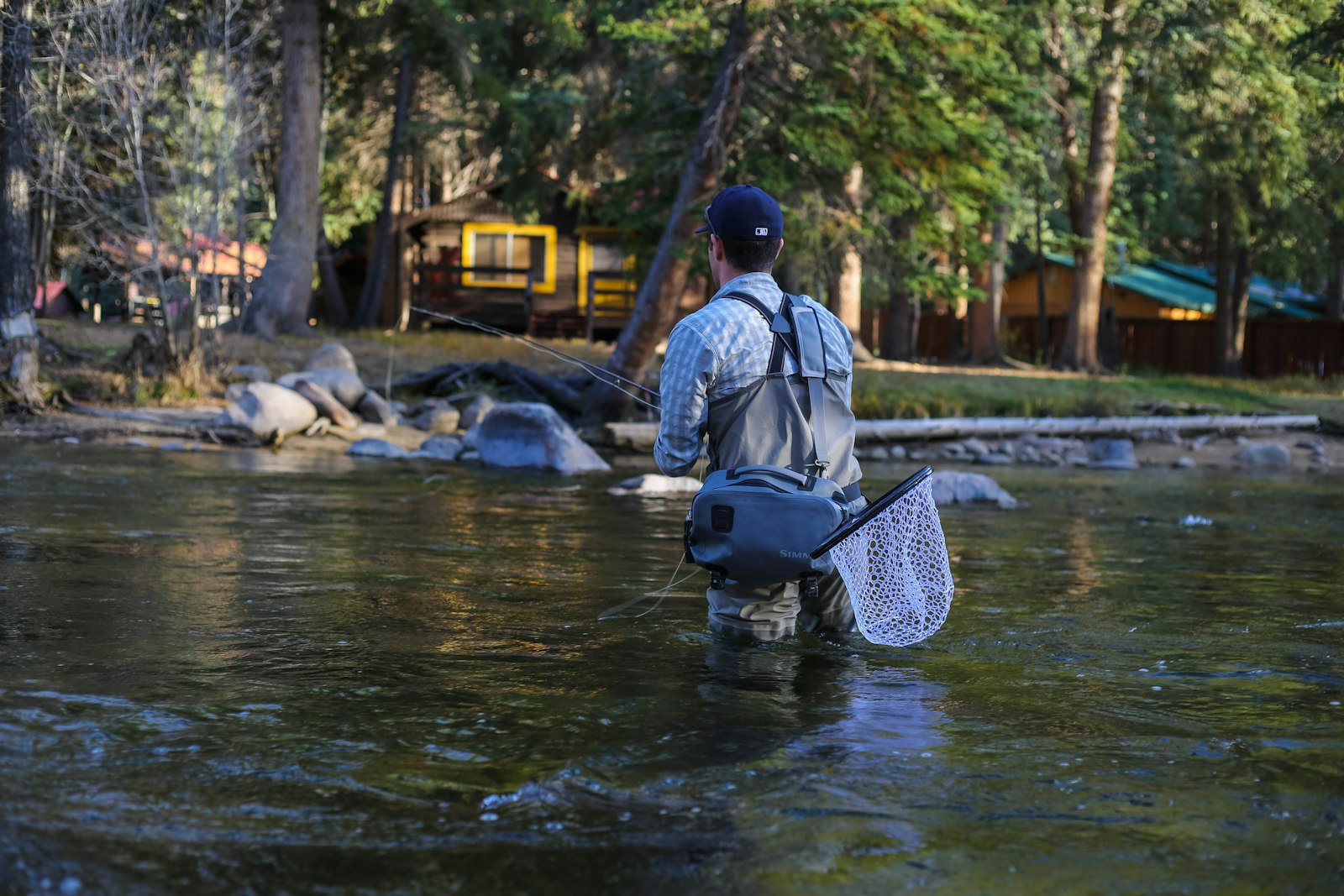
Tenkara gets marketed as the simple way to fly fish, and that is true, but the useful part is not just that it is simple. The useful part is that it solves a very specific problem: how to make clean, controlled presentations in small water where a standard fly line can feel like too much tool for too little room.
That is why tenkara still makes sense in 2026. Small streams, overgrown creeks, pocket water, and short mountain runs have not changed. If anything, more anglers are looking for lighter, lower-bulk ways to fish them well. A fixed-line setup is still one of the cleanest answers.
The idea is straightforward. You use a long telescoping rod, attach the line directly to the tip, add tippet and a fly, and control the drift mostly with rod angle and reach instead of reel management. That sounds limiting at first. In the right water, it is actually freeing.
Why tenkara works so well on small streams
Recent tenkara and fixed-line guides still agree on the same core advantage: a long, light rod makes it easier to keep line off conflicting currents and drift the fly naturally through short feeding lanes. That matters in narrow streams where fish often sit in tiny seams, plunge pools, eddies, and shaded pockets.
Tenkara shines when:
- the stream is narrow or brushy
- you need a quiet, precise presentation
- the best drifts are short but technical
- you want to reach over mixed currents instead of mending a fly line
- you are hiking, covering water, or packing light
It is less ideal when you need long casts across big rivers, heavy sink setups in deep water, or the ability to instantly give line to a fast-running fish.
The setup that makes learning easier
Most anglers do best starting with a rod around 11 to 13 feet. That length is long enough to control line and drift, but not so long that it feels awkward on a first outing. In very tight canopy, shorter rods are easier. In slightly more open water, the extra reach of a 12-foot rod is often the sweet spot.
A basic starting setup looks like this:
- an 11- to 13-foot tenkara rod
- a level or tapered tenkara line about rod length
- 3 to 4 feet of 5X or 6X tippet
- one simple soft-hackle or kebari-style fly
Level line is popular because it is light, direct, and easy to hold off the water. Tapered or furled lines can feel easier for beginners because they turn over more smoothly. Neither choice is wrong. The key is keeping the system light enough that the rod, not brute force, does the work.
Step 1: Start with a line you can control, not the longest line you can cast
Action: For your first few trips, fish a line about equal to the rod length, or even slightly shorter if the stream is tight.
Common mistake: Going too long too early because more reach sounds better.
Expected feel: The cast should feel compact and light, and the fly should land with very little line pile.
A manageable line length makes it easier to keep more line off the water, which is one of the biggest reasons tenkara works in the first place.
Casting is short, smooth, and quiet
Tenkara casting is not about power. It is about a compact stroke, a clear stop, and letting the light line unroll. If you try to muscle it the way many beginners muscle a western fly rod, the cast usually collapses or kicks.
Step 2: Use a short overhead stroke and stop high
Action: Make a smooth back cast, come forward on a short path, and stop the rod tip high enough to let the line straighten and settle.
Common mistake: Snapping the rod too hard or making the stroke too long.
Expected feel: The rod loads lightly, the line turns over, and the fly lands before the line fully slaps down.
Practice at close range first. Most of the best tenkara presentations are not bombs. They are short, accurate placements into a feeding lane the size of a dinner plate.
Drift control is the whole game
The real magic of tenkara is not the cast. It is what happens after the fly lands. Because the rod is long and the line is light, you can hold much of the line off the water and reduce drag from competing currents.
That lets the fly move more naturally through broken seams, pocket water, and small current tongues.
Step 3: Lift enough line to protect the drift
Action: After the fly lands, raise the rod tip and follow the drift just fast enough to stay connected without pulling the fly.
Common mistake: Letting too much line sag onto the water and then blaming the fly when it drags.
Expected feel: You should feel lightly connected, with the fly drifting free instead of skating across the current.
In pocket water, this can be almost a high-stick drift. In flatter glides, it may just mean keeping the bright main line hovering above one conflicting seam. Either way, the goal is the same: protect the fly’s path.
Keep the fly selection simple
A lot of anglers get stuck worrying about tenkara-specific fly patterns. That matters less than presentation, especially on small streams. A basic sakasa kebari, soft hackle, unweighted nymph, or small dry fly can all work if the drift is clean.
Step 4: Fish one confidence pattern well before changing flies constantly
Action: Start with a simple fly that matches the water depth and surface activity, then focus on drift quality and angle before changing patterns.
Common mistake: Rotating through flies every five minutes when the real issue is poor line control.
Expected feel: Good drifts produce either subtle pauses, quick taps, or visible takes near current breaks.
On many small streams, fish react to where and how the fly moves more than to tiny pattern differences. Presentation first, fly obsession second.
Tenkara is not just for trout
Tenkara is most associated with trout, but the method adapts well to bluegill, creek panfish, and small bass in intimate water. The same long-rod control helps you dap edges, drop flies beside cover, or drift little pools without carrying much gear.
That said, it remains a small-water tool. Once fish size, current power, or cover density jumps too far, the fixed-line system gives up some flexibility.
Step 5: Match the water and fish size to the system
Action: Use tenkara where the fish can be guided with rod angle and steady pressure, not where you need a reel to survive the first run.
Common mistake: Treating fixed-line gear like it should replace every other fly setup.
Expected feel: The fight should feel direct and controlled, not chaotic and under-gunned.
This is one reason tenkara is so satisfying in creeks and headwaters. In that setting, the tackle matches the scale of the water beautifully.
Common beginner mistakes that cost fish
Most tenkara mistakes are control mistakes, not gear mistakes.
Watch for these:
- using too much power in the cast
- fishing too long a line for the available room
- letting line sag on the water through mixed currents
- changing flies too often instead of fixing presentation
- standing too close and spooking fish in small, clear streams
- extending or collapsing the rod carelessly around the joints
If the fly keeps dragging, simplify. Shorten the line a little. Get closer only if cover allows it. Pick a shorter drift that you can actually control.
Best places to practice
The easiest learning water is a modest stream with clear current lanes, enough room for a short cast, and fishable seams you can read quickly. You do not need a famous trout river. You need water that gives obvious feedback.
Good practice water includes:
- small freestone creeks
- mountain streams with plunge pools
- meadow streams with short seams
- tiny ponds or creek mouths for panfish with a short rod
- pocket water where line control matters more than distance
Start on drifts you can see well. Once you can land the fly, hold line off the water, and track the drift cleanly, the method starts making sense fast.
Final thought
Tenkara is at its best when you stop asking it to be everything and let it be exactly what it is: a precise, elegant way to fish small water with less clutter and more control.
If you keep the setup simple, shorten the cast, and focus on drift protection, tenkara stops feeling like a novelty. It becomes one of the smartest ways to fish a tight stream well.