Slip Bobber Fishing for Walleye from Shore: A Practical 2026 Guide to Depth Control, Bait, and Low-Light Banks
Learn how to catch more shoreline walleye with a slip bobber by setting the right depth, matching live bait to the season, and targeting wind-blown banks, weed edges, and rock transitions during prime low-light windows.
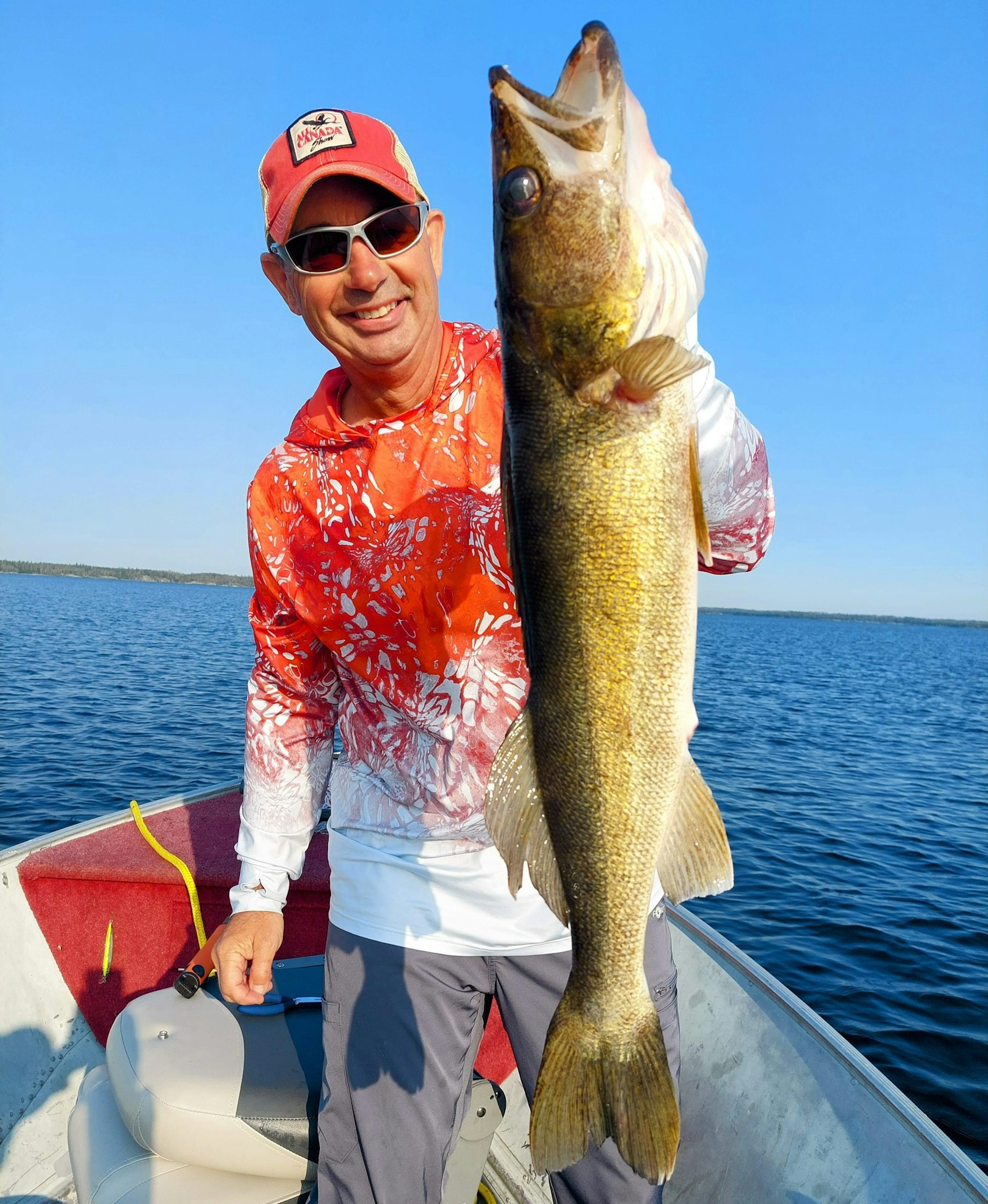
Slip Bobber Fishing for Walleye from Shore: A Practical 2026 Guide to Depth Control, Bait, and Low-Light Banks
Slip bobber fishing is one of the cleanest ways to catch walleye from shore when you already know roughly where fish want to be. It lets you suspend live bait at a precise depth, keep it in the strike zone longer than a straight cast-and-retrieve presentation, and fish effectively around wind-blown banks, weed edges, rock transitions, docks, and current seams that are actually reachable on foot.
Current 2025-2026 walleye coverage from Northland Tackle, Thill, Game & Fish, In-Fisherman style seasonal guidance, and state fish-and-wildlife resources all keep pointing to the same reality: a slip bobber is not just a beginner rig. It is a high-percentage system for neutral or light-feeding walleye, especially during low-light windows, post-frontal conditions, and evenings when fish slide shallow but still want a natural presentation.
If I were helping a bank angler build one reliable walleye plan without overcomplicating it, this would be near the top of the list.
Why a Slip Bobber Works So Well for Shore Walleye
A slip bobber solves a specific problem. Shore anglers often need to present bait at a defined depth without dragging it unnaturally through the zone. Walleye frequently hold near the edge of a weed line, on the first break, around shallow rock, or just off a wind-pushed shoreline. If you cast a jig too quickly through those fish, you may move it past them before they commit. A slip bobber keeps the bait where they can inspect it.
That matters most when:
- fish are present but not aggressively chasing
- you want to hold bait just above bottom or just above suspended fish
- wind creates a natural drift along a point, break, or edge
- you are fishing from a bank, pier, riprap edge, or dock with limited boat-style mobility
- dawn, dusk, overcast weather, or after-dark conditions push fish shallower
It is also one of the easiest ways to slow down without becoming random. You still control depth, location, and drift instead of simply waiting and hoping.
Best Shore Structure for Slip Bobber Walleye
The best shore spots are not always the prettiest ones. They are the places where bait and walleye have a reason to meet close enough for a cast.
Start with these:
- wind-blown points and banks where bait gets pushed shallow
- outside weed edges or weed pockets you can reach from shore
- rock-to-sand or rock-to-mud transitions
- current seams in rivers, tailraces, causeways, or reservoir neck-downs
- docks, walkways, and riprap banks with quick access to depth
- shoreline breaklines where shallow flats drop into 8 to 15 feet
- bridge corners and current breaks where legal and safe to fish
One of the best shore patterns is to cast slightly beyond the break, then let the float settle so the bait drifts naturally across the edge. You do not need a giant reef. A subtle drop, weed edge, or rock seam can be enough.
Seasonal Slip Bobber Pattern for Walleye
Spring
Spring is one of the best times to fish this way because post-spawn walleye often stay relatively accessible. In many waters, fish hold in 5 to 15 feet near warming shorelines, river mouths, gravel, emerging weeds, and current edges. Minnows are usually strongest when water is still cold, though leeches begin to matter as temperatures rise.
On many lakes, windy afternoons and evening windows are better than bright, flat midday conditions. If you can reach a point that collects wind and bait, start there.
Summer
Summer is classic slip bobber season. Walleye commonly relate to weed edges, deeper shoreline breaks, docks, and rock transitions in 10 to 25 feet, then slide shallower during low light. This is when leeches become the highest-confidence live bait on many waters, with nightcrawlers also producing well in warmer conditions.
If the sun is high, target the deep side of accessible weeds or the first break. If the light fades or cloud cover rolls in, shift shallower fast.
Fall
Fall brings another strong shore opportunity because fish feed heavily and often use wind-blown structure, bait-rich shorelines, and breaklines with more purpose. Minnows rise in value again, especially when baitfish become more important in the system.
This is a good season to fish a slip bobber slowly on rocky banks, tapering points, and current-affected shoreline structure where fish travel before dark.
The Best Baits for Slip Bobber Walleye
Three baits cover most situations:
Leeches
Leeches are often the best all-around summer choice once water warms. They stay lively, look natural under a float, and keep producing even when walleye are not fully committed.
Nightcrawlers
Nightcrawlers shine in warmer water and on waters where fish are used to seeing crawler-based presentations. A half crawler is often easier to manage than a giant full crawler when you want a cleaner presentation.
Minnows
Minnows are usually strongest in colder water and during spring or fall. Hook them lightly through the lips or back, depending on how much motion you want. Always check live-bait legality and transport rules before using them.
If I had to simplify it:
- cold water: start with minnows
- warming to warm water: start with leeches
- summer when crawlers are clearly producing locally: use nightcrawlers
A Simple Slip Bobber Rig That Actually Works
You do not need a complicated setup. A straightforward rig is easier to cast, easier to adjust, and easier to troubleshoot from shore.
Core setup
- Tie on a bobber stop.
- Add a bead.
- Slide on a slip float sized to your weight.
- Add either a small inline weight, split shot, or a light egg sinker.
- Tie to a small swivel if you want line-twist control.
- Finish with a 2- to 6-foot leader and either a plain hook or light jig.
Best terminal choices
- Plain hook: usually size #4 to #6 for leeches, crawlers, or smaller minnows
- Light jig: often 1/16 ounce when you want a little more control or color
- Leader line: generally 6- to 10-pound fluorocarbon or mono
A good float should ride mostly upright with only the visible top section showing. If too much of the float sticks above the water, the rig is not balanced well enough for subtle walleye bites.
Depth Control: The Part That Makes or Breaks the Bite
The biggest mistake with a slip bobber is guessing at depth and never adjusting.
Start by setting the bait 1 to 3 feet off bottom in most situations. If fish are clearly suspended or cruising higher over weeds, raise it. If you are missing contact entirely, lower it until you are closer to where fish are holding.
A few practical rules help:
- on rock, sand, and clean breaks, start just above bottom
- on weed edges, keep the bait slightly above the top of the weeds
- in current seams, keep it above snags but low enough to stay in the feeding lane
- if fish are present but inactive, move the stop a little before changing the whole rig
Depth is often the real trigger, not lure color or hook brand.
Best Rod, Reel, and Line for Shore Slip Bobber Fishing
A shore setup should cast well, pick up slack quickly, and protect light leaders.
Best all-around combo
- Rod: 7’ to 8’6” medium-light or medium fast-action spinning rod
- Reel: 2500 to 3000 size spinning reel
- Main line: 6- to 10-pound mono, or 10- to 14-pound braid with a fluorocarbon leader
- Leader: 6- to 10-pound fluorocarbon
A slightly longer rod helps from shore because it improves casting distance, line pickup, and hook control around rocks, riprap, and docks. Mono is simple and float-friendly. Braid is more sensitive and helps in wind, but make sure your bobber stop holds securely.
When to Fish It
Walleye still behave like low-light predators much of the time, so your best windows are usually:
- dawn
- dusk
- overcast afternoons with wind
- after dark, where legal and safe
If you only have one short session, I would choose the last two hours of light over bright midday on most waters.
Wind can help a lot. It breaks up the surface, pushes bait, and gives the float a more natural drift. The key is fishing enough weight to stay controlled without turning the rig into a clunky anchor.
Common Mistakes That Cost Shore Anglers Fish
- setting the bait too high and never reaching the fish
- using a float that is too large for subtle bites
- fishing dead-flat banks with no depth change, wind, weeds, or rock
- refusing to move after 20 to 30 unproductive minutes
- using oversized hooks with small live bait
- ignoring local rules for live bait, seasons, or night access
Slip bobber fishing is simple, but it is not passive. The anglers who do best keep adjusting depth, angle, and bank position until the float is working through a real feeding lane.
Final Verdict
Slip bobber fishing for walleye from shore is one of the most practical high-percentage tactics for anglers who do not have a boat but still want precise control. It is affordable, easy to learn, and surprisingly versatile across spring, summer, and fall.
If you keep the system simple, fish around real structure, and treat depth as the first adjustment instead of the last, you can turn a bank session into a legitimate walleye plan instead of just soaking bait at random.
The short version is this: find a wind-touched edge, set your bait just above the fish, and fish the low-light window hard. That is still one of the cleanest ways to catch more shore walleye in 2026.