Pier Fishing for Beginners: Simple Setup, First Trip Tips, and Etiquette That Actually Matters
A practical pier fishing for beginners guide covering the easiest first-trip setup, beginner rigs, bait choices, basic etiquette, safety, and the mistakes that ruin crowded-pier days.
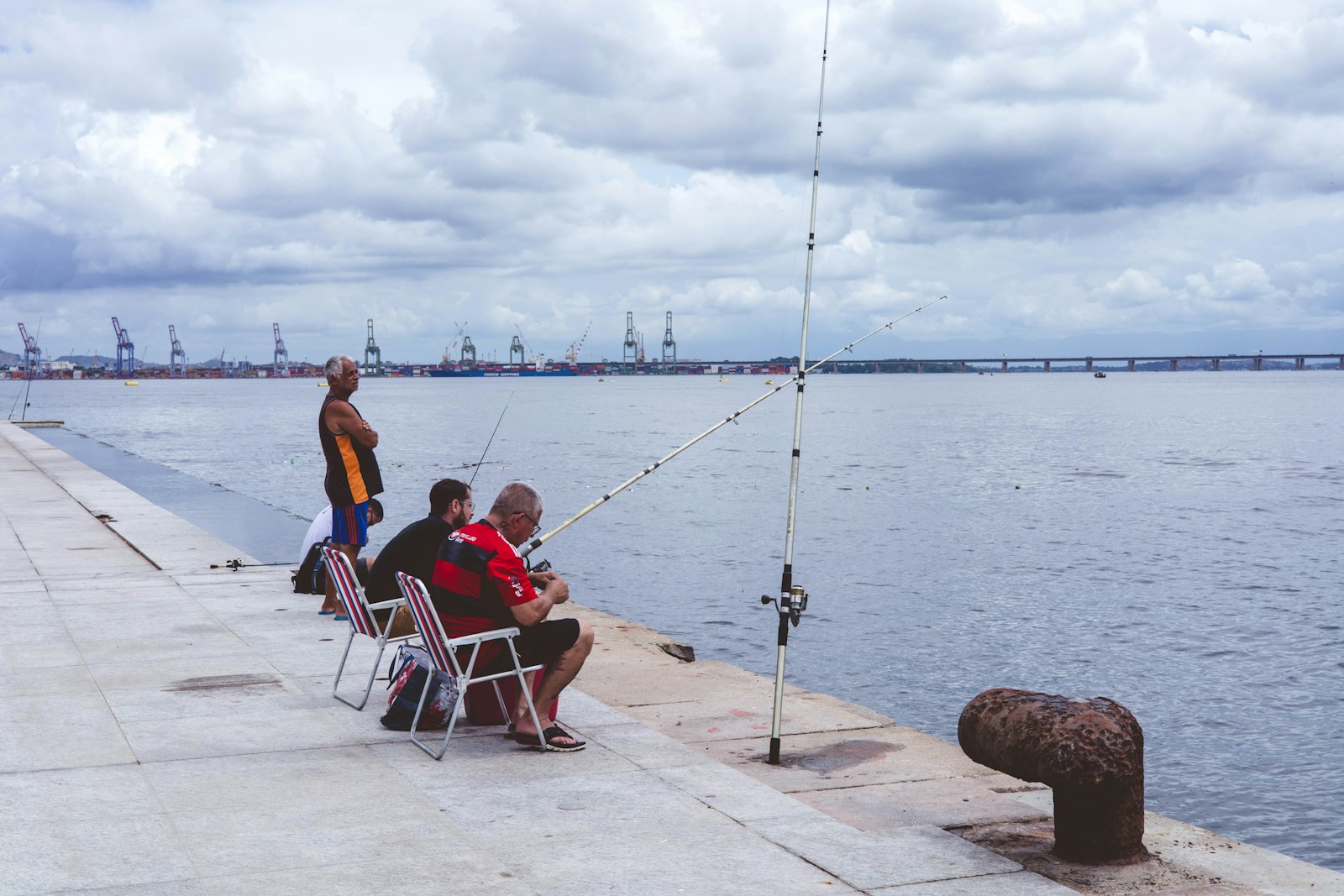
Pier Fishing for Beginners: Simple Setup, First Trip Tips, and Etiquette That Actually Matters
The short answer: If you are starting pier fishing, bring one medium or medium-heavy spinning combo, a few basic bottom rigs, fresh bait, pliers, and a landing net, then focus on fishing cleanly around other people instead of bringing too much gear. Pier fishing is one of the easiest ways to start saltwater fishing, but crowded rails punish sloppy setup and bad etiquette fast.
That is why the smartest first pier trip is simple.
Recent beginner guidance in 2025 and 2026 still points in the same direction: use a straightforward spinning setup, fish one or two reliable rigs, ask the local bait shop what is working that day, and check local regulations before you go because pier rules, bag limits, and license rules vary by state and even by pier.
Why Pier Fishing Is a Good Beginner Starting Point
Pier fishing removes a lot of the hard parts that scare beginners away from saltwater fishing.
You do not need a boat. You do not need to read a whole beach. You usually have easy access, stable footing, and a decent shot at multiple species using simple bait presentations.
That does not mean everything is easy. The main beginner challenge is not fish behavior. It is managing space, current, and other anglers without creating tangles or chaos.
If you can stay organized and fish one clean system well, you are already ahead.
The Best Beginner Pier Fishing Setup
For most first trips, this is the safest all-around setup:
- Rod: 7’ to 9’ spinning rod
- Power: medium or medium-heavy
- Action: fast or moderate-fast
- Reel: 3000 to 5000 size spinning reel
- Line: 15- to 20-pound braid or 12- to 20-pound monofilament
- Leader: 15- to 25-pound fluorocarbon or mono leader if needed
Why this works:
- It handles common pier species without feeling like a broomstick
- It lets you fish bait or simple lures
- It is easier for beginners than a baitcaster
- It has enough strength for current, structure, and rail-side pressure
If you want the easiest version, mono is still fine. Braid helps sensitivity and casting distance, but it is less forgiving when you are still learning knots and untangling mistakes.
The Only Tackle You Need on Your First Trip
Keep your first pier box small.
Bring:
- size 1 to 3/0 hooks
- pre-tied high-low or dropper rigs
- sliding sinker or fish-finder rig parts
- pyramid or bank sinkers in a few weights
- barrel swivels
- bait knife or scissors
- pliers or line cutters
- a towel
- a bucket or small tackle bag
- a pier landing net or drop net if the pier does not provide one
That is enough.
Beginners lose time by bringing too many rigs, too many lures, and too many backup plans. A crowded pier rewards quick re-rigs and clean movement, not tackle-store cosplay.
Best Beginner Rigs for Pier Fishing
You do not need five systems. Start with these two.
1. High-low rig
This is the easiest pier rig for beginners.
Use it when:
- fish are feeding near the bottom
- you want a simple bait rig
- you are targeting mixed species like croaker, whiting, perch, small drum, or other common pier fish
A high-low rig keeps the bait slightly off bottom and is easy to cast, soak, and retie.
2. Fish-finder or Carolina-style rig
Use this when you want one bait on or near bottom with a little more natural movement.
It works well with shrimp, cut bait, or live bait where legal.
If current is strong, go a little heavier on sinker weight so your line is not swinging sideways into everyone else.
Bait and Lure Choices That Make Sense
For a first pier trip, bait usually beats lures.
Start with one or two of these:
- shrimp
- squid strips
- cut bait
- sand fleas where common and legal
- local bait recommended by the pier shop
That last one matters most. Recent guides and local shop advice keep repeating the same truth: the best bait on the internet is less useful than the bait fish are eating at your pier today.
If you want one lure option too, bring a simple metal spoon, jig, or paddletail soft plastic. That gives you a way to cover water if the pier is quiet or bait fishing is slow.
Pier Etiquette Matters More Than Most Beginners Expect
This is the part many beginner articles gloss over, and it is the part that makes or breaks your day.
On a busy pier:
- do not cast over someone else’s line
- give people room before setting up
- cast straight out unless the local flow clearly calls for something else
- keep your gear tight to your space
- if someone hooks a fast-running fish, move when needed
- do not leave cut line, bait packaging, or fish scraps behind
- ask before stepping into another angler’s netting space
Crowded-pier fishing is cooperative fishing. If you act like you are alone, everyone notices.
Safety Rules Worth Taking Seriously
Pier fishing looks casual, but it has real risks.
Wear shoes with grip. Watch wet boards. Keep hooks under control when people are behind you. Pay attention to kids near rails. Use a landing net instead of trying to swing heavier fish up on the line.
Also check the basics before you leave home:
- local fishing license rules
- pier-specific rules or hours
- size and bag limits
- weather and wind
- tide movement
Some public piers have their own exceptions or extra rules. Do not assume one pier works like the last pier you visited.
Common Beginner Mistakes on the Pier
These mistakes ruin more first trips than bad luck does:
Bringing too much gear
You do not need three rods and a giant tackle backpack.
Fishing too heavy for no reason
Overbuilt tackle makes smaller bites harder to feel and creates clumsy presentations.
Using the wrong sinker weight
Too light and your rig drifts into everyone. Too heavy and your presentation gets awkward.
Checking bait every 30 seconds
Yes, your bait matters. No, constant panic-reeling does not help.
Trying to lift fish straight up
A landing net saves fish, line, and embarrassment.
Ignoring the people around you
The fastest way to have a miserable pier trip is to become the person everyone wants to avoid.
What to Expect From Your First Pier Trip
Do not judge the trip only by how many fish you land.
Your first good pier session should teach you:
- how much sinker weight holds in the current
- how far you actually need to cast
- how to keep a small fishing space organized
- how a real bite looks on a bottom rig
- when to ask locals what is working instead of guessing
That is progress.
The Best Next Step
After two or three pier trips, then upgrade with a reason. Maybe you need a better landing net, smoother reel, better pliers, or one extra lure style. But earn those upgrades through use.
The best beginner pier fishing setup is not the one with the most hardware. It is the one that keeps your line in the water, your space under control, and your first saltwater trips fun enough that you want to come back.
Start simple, fish politely, and let the pier teach you the rest.