How to Fish a Ned Rig From Shore for River Smallmouth: A Practical Guide
Learn how to fish a Ned rig from the bank for river smallmouth, including tackle setup, casting angles, bottom contact, current control, and the mistakes that cost bites.
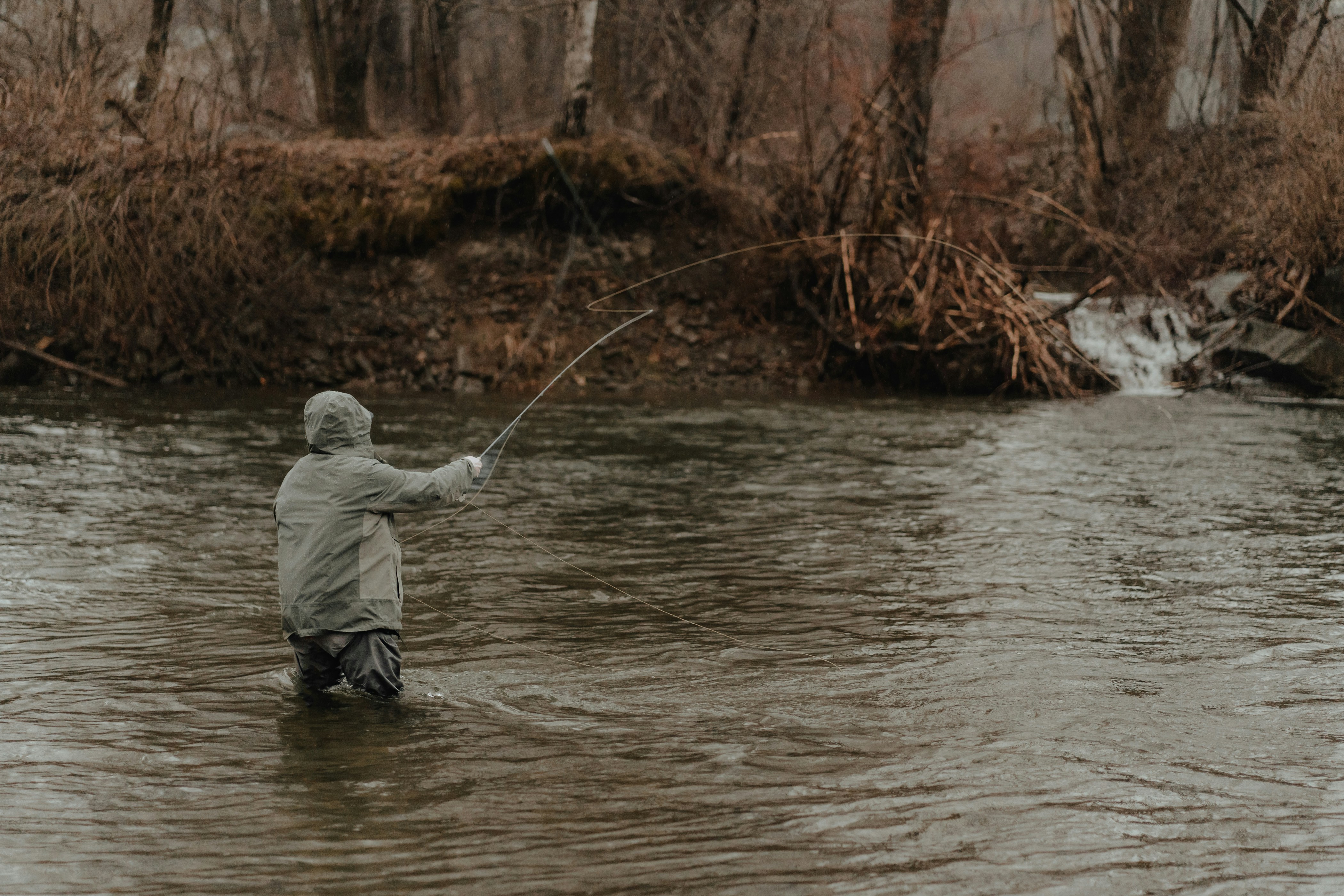
If you bank fish rivers for smallmouth, the Ned rig is one of the highest-percentage tools you can carry. It casts well on light spinning tackle, gets bit when reaction baits stop working, and lets you slow down without becoming boring. The key is not just tying one on. The key is learning how to make it drift, tick, and pause in current like something alive.
Recent live research before drafting pointed to the same themes across current Ned-rig coverage: keep the presentation compact, use the lightest jighead the current allows, rely on braid plus a leader for feel, and work reef edges, current seams, and bottom transitions with a controlled—not hyperactive—retrieve. That lines up perfectly with what shore anglers actually need.
Why the Ned rig is so good from shore
A lot of bank anglers fish too fast because they feel they need to cover water. The Ned rig fixes that without turning into dead water. It still moves, but it moves on the river’s terms.
For smallmouth, that matters because river fish often sit in:
- current seams
- the soft water behind rocks
- gravel-to-boulder transitions
- the downstream edge of shallow riffles
- eddies beside grass, bridge pilings, or laydowns
A compact mushroom head and small buoyant plastic let you feed the bait into those lanes naturally. You are not trying to overpower the current. You are trying to stay in touch while the river helps present the lure.
The best shore setup for this technique
Keep it simple and balanced:
- Rod: 6’10” to 7’3” medium-light spinning rod with a fast or extra-fast tip
- Reel: 2500 size spinning reel
- Main line: 8 to 10 lb braid
- Leader: 6 to 8 lb fluorocarbon in clear water, 8 to 10 lb around heavier rock or zebra-mussel style abrasion
- Jighead: usually 1/16 oz to 1/8 oz for slower or moderate current, up to 3/16 oz when current speed or depth forces it
- Plastic: 2.5” to 3” buoyant stick bait, minnow-style finesse bait, or TRD-style body
Why this setup works:
- Braid helps you feel subtle bottom changes and light pressure bites.
- A light rod loads well on short bank casts and keeps small hooks pinned.
- A compact 2500 reel balances light braid and still gives enough drag for current-fueled runs.
One of the biggest takeaways from current Ned-rig recommendations is to fish the lightest head that still maintains contact. Too heavy and the bait loses its natural gliding, stand-up feel. Too light and you lose the lane entirely.
Where to cast from shore
The best Ned-rig bank anglers do not just fan-cast randomly. They look for spots where current speed changes.
High-value targets
-
Downstream side of a boulder
Cast slightly upstream or across, let the rig settle, then let it wash into the slack pocket. -
Inside seam beside faster current
Smallmouth use this like an ambush lane. Your bait should drift near the soft edge, not in the strongest flow. -
Tailout below a riffle
This is a classic feeding zone. Keep the bait close to bottom and slow enough that it looks easy to catch. -
Eddy edge
Fish often sit where rotating slack meets the main push. This is one of the best places for a slow drag-and-deadstick retrieve. -
Shallow-to-deep transition beside the bank
Many river fish are closer than bank anglers think. Do not skip the first few feet of fishable water.
Step 1: Pick the right casting angle
Most shore anglers fail with the Ned rig because they cast straight out and reel straight back. In current, angle matters more than distance.
Action: Make short to medium casts at 30 to 45 degrees upstream or across-current.
Why it works: This angle gives the bait time to sink, drift naturally, and stay in the strike zone longer.
Common mistake: Casting directly downstream and reeling too soon, which lifts the bait and sweeps it out of the lane.
Expected feel: You should feel light bottom ticks, brief glides, and occasional moments where the bait seems to hover before settling again.
Step 2: Let the jighead do the work
A Ned rig is not a shake-it-to-death bait. In current, less is usually more.
Action: After the bait hits bottom, keep your rod tip around 9 to 10 o’clock and use small drags, short lifts, or simple line-following tension.
Try three core retrieves:
Controlled drift
Cast slightly upstream, let the rig sink, and follow it with the rod while maintaining light contact. This is the most natural presentation in moderate current.
Drag and pause
Pull the bait 6 to 12 inches, then stop. Let the buoyant plastic stand up. This shines on gravel and rock transitions.
Tiny hop, long deadstick
Lift just enough to clear a rock, then let it fall and sit. This is deadly when fish are pressured or the water is cool.
Common mistake: Overworking the rod tip like a drop shot. That often pulls the bait out of the exact place the fish is watching.
Expected feel: The lure should feel alive but grounded—more crawl than dart.
Step 3: Match head weight to current, not ego
A heavier head is not more “advanced.” It is just heavier.
Use lighter heads when:
- the current is moderate
- you are fishing shallower runs
- fish are pressured or following without committing
- you want longer glide and softer landing
Use heavier heads when:
- current keeps washing the bait too high
- you are fishing deeper outside bends
- wind or line bow is destroying contact
- you need to maintain bottom in a narrow seam
If your Ned rig is constantly wedging between rocks, you may be too heavy, too vertical in your angle, or both.
Step 4: Read the bite correctly
River smallmouth do not always smash a Ned rig. A lot of bites feel like one of these:
- the bait got slightly heavier
- the bottom disappeared for a second
- the drift stopped too early
- the line moved sideways when it should have been settling
Action: Reel down and lean into the fish with a smooth sweep set.
Common mistake: Snapping straight up with too much force. Light-wire Ned hooks do not need a heroic hookset.
Expected feel: Once pinned, river smallmouth usually surge hard and use current immediately.
Step 5: Fish the bank efficiently
A Ned rig is subtle, but it should still be fished with purpose.
Use this simple bank sequence:
- Make two short casts tight to the near seam or edge.
- Fan three to five casts across the main current lane.
- Give the prime target one slower, cleaner follow-up presentation.
- Move if you are no longer contacting meaningful structure.
This keeps you from wasting ten minutes in dead water while still giving the best lane multiple looks.
Best conditions for shore Ned-rig fishing
This technique is especially strong when:
- water is clear to lightly stained
- current is moderate and defined
- fish are pressured by other anglers throwing moving baits
- cold fronts or bluebird skies make reaction bites tougher
- spring, early summer, and fall keep fish around rock, gravel, and current seams
It is less efficient in heavy chocolate water, extreme floating grass, or flood-stage current where the rig cannot stay in place naturally.
Common shore Ned-rig mistakes
Fishing too heavy
This is the biggest one. Many anglers use more weight than necessary and turn a finesse drift into a rock wedger.
Ignoring close water
River smallmouth often sit surprisingly tight to the bank, especially near rock, shade, or current breaks.
Reeling instead of guiding
The Ned rig usually fishes best when you guide it with the rod and current, not just crank it home.
Staying in one angle too long
If straight-across is not producing, change to slightly upstream. Small angle changes can completely change how the bait tracks through the seam.
Using too much plastic action
The Ned rig works because it looks easy, small, and natural. You do not need a giant tail kicking at river speed.
A simple starting system
If you want a no-drama place to begin, use this:
- 7’ medium-light spinning rod
- 2500 reel
- 10 lb braid to 8 lb fluorocarbon
- 1/8 oz mushroom head
- 2.75” green pumpkin or goby-style buoyant plastic
- cast 45 degrees upstream to rocky seams and drag-pause it back
That setup covers an enormous amount of real-world river smallmouth water.
Final thought
Fishing a Ned rig from shore for river smallmouth is not about doing more. It is about doing less, but doing it in the right lane. Choose the lightest head that keeps contact, cast on useful angles, let the current help the presentation, and pay attention to every weird little change in feel. Once you get that rhythm down, the Ned rig stops feeling like a backup bait and starts feeling like one of the most dependable smallmouth tools you own.