Lake Guntersville Fishing Guide: Spring Grass, Big Bass, and How to Plan the Trip Right
A practical Lake Guntersville fishing guide covering spring bass timing, productive grass and creek patterns, launch planning, tackle choices, and the Alabama rules to verify before you fish.
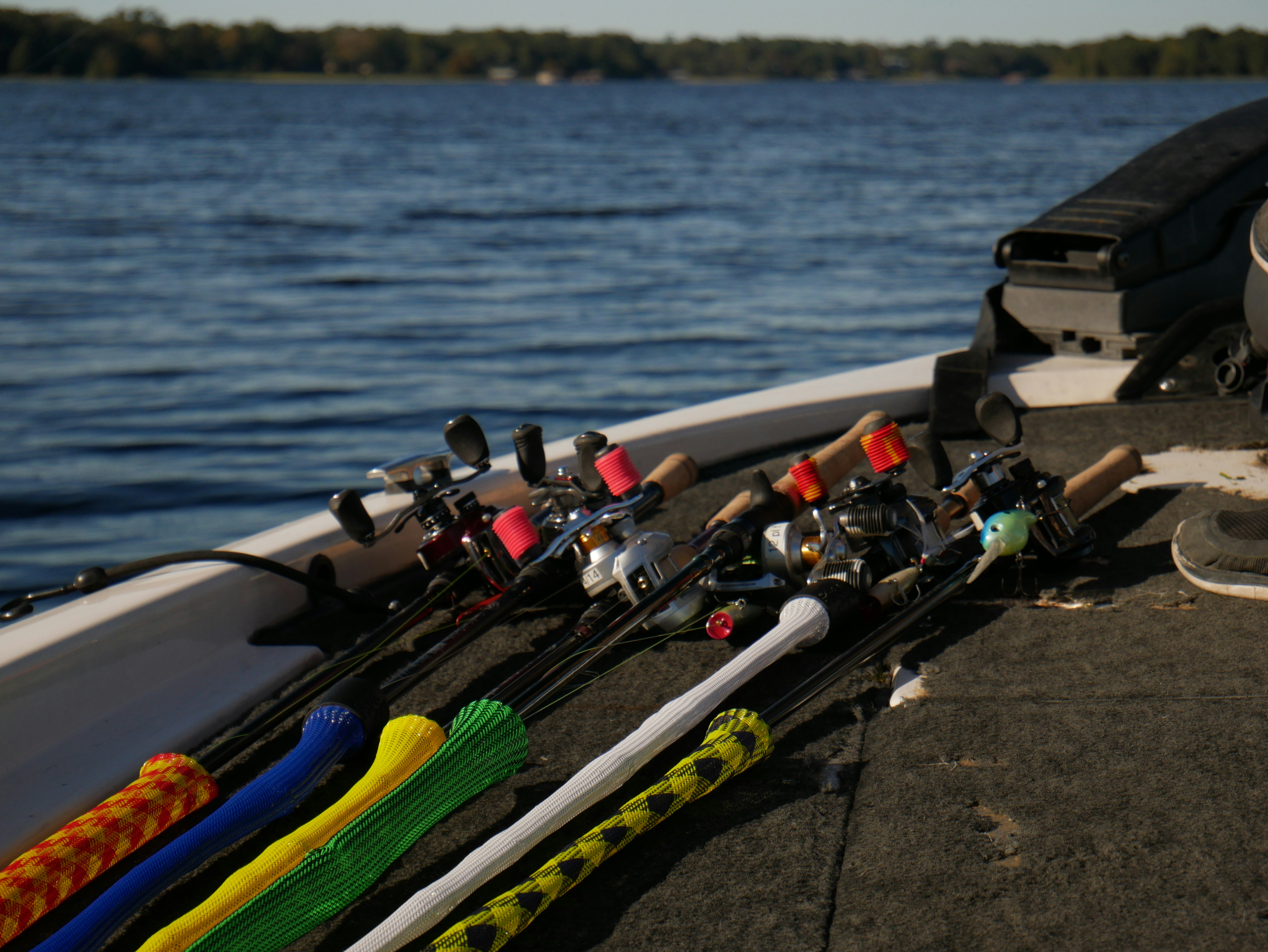
Lake Guntersville Fishing Guide: Spring Grass, Big Bass, and How to Plan the Trip Right
Lake Guntersville is one of those bass lakes that keeps showing up in serious fishing conversations for a reason. The Alabama Tennessee River reservoir has size, grass, current influence, big-fish history, and enough spring movement to keep anglers guessing all day. It is famous, but it is not easy in the lazy sense. Guntersville rewards anglers who understand seasonal timing, grass edges, and how fish position around creeks, flats, and nearby river structure.
That is exactly why it is worth a guide instead of a highlight reel. Too many Lake Guntersville articles make it sound like you can launch anywhere, throw a lipless crankbait around grass, and expect a giant largemouth to do the rest. Sometimes spring really is that fun. Plenty of other times, a front changes the mood, the lake gets crowded, the better grass is more specific than you expected, and the winning adjustment is slowing down near a staging drop instead of burning the bank.
This guide keeps it practical: what makes the lake special, where to start looking in spring, which access areas make the most sense, what tackle actually fits the lake, and which Alabama rules you should verify before the trip.
At a Glance
| Detail | Info |
|---|---|
| Best Known For | Trophy-class largemouth bass and broad shallow grass flats |
| Best Trip Styles | DIY bass boat trips, guided spring bass trips, multi-species family weekends |
| Main Species | Largemouth bass, crappie, bluegill, redear, catfish |
| Best Overall Window | Late February through May, with March and April as the headline stretch |
| Best For | Bass anglers who like grass fishing, moving baits, shallow patterns, and seasonal adjustments |
| Main Planning Variable | Water temperature, warming trends, grass quality, and wind on the main lake |
| License Note | Alabama fishing license required for most anglers age 16+; verify current size and creel rules before launch |
Why Lake Guntersville Is Worth the Trip
Lake Guntersville sits on the Tennessee River in northern Alabama and covers a huge amount of fishable water. That scale matters because the lake can offer several different spring stories at once. One creek can have fish staging on secondary points, another can have bass sliding onto shallow grass flats, and another can still be affected by a cold front that pushes the better bite toward nearby depth.
The lake is also unusually good at combining trophy potential with a pattern-friendly layout. You are not just blind-casting open water and hoping. Guntersville gives anglers visible and repeatable fish-holding elements: hydrilla, eelgrass, milfoil, pad fields later in the season, riprap causeways, docks, creek mouths, shell or hard-bottom areas, and current-related river edges. That makes it attractive for both experienced bass anglers and traveling anglers who want a famous destination that still lets them build a logical game plan.
It is also not only a bass destination. Crappie fishing can be excellent in spring, and panfish and catfish give the lake more family-trip value than its tournament reputation suggests.
What You Can Realistically Target
Largemouth Bass
Bass are the main event. Guntersville has a long reputation for fish that are both numerous and legitimately big, especially when spring weather stabilizes and the grass starts organizing the bite. In late prespawn and spawn periods, many anglers focus on shallow flats, inside grass lines, creek pockets, drains, and nearby secondary drops. When a front moves through, those same fish often pull just far enough off the bank that the better pattern becomes the first break, a ditch, the outside grass edge, or nearby harder cover.
Crappie
Crappie are a real secondary option, not an afterthought. Spring fish move around bridges, creek structure, cover, and shallower spawning zones depending on water temperature and stage. If your trip is not 100 percent bass-focused, Guntersville gives you a backup plan that still feels worthwhile.
Bluegill, Redear, and Catfish
These fish matter more for mixed-group trips than for destination bass anglers, but they make the lake more versatile. If you are planning a cabin weekend where not every person wants to throw reaction baits around grass all day, that flexibility is useful.
Best Times to Go
The simple answer is late February through May, but the better answer is that March and April are the core spring windows most traveling anglers should think about first.
Late February into March often means prespawn movement. Bass feed aggressively, use creek arms and staging zones, and react well to moving baits when warming trends line up.
March into mid-April is the classic Guntersville stretch. Depending on the weather, you can find prespawn fish, spawners, and early post-spawn fish in different sections of the lake at the same time. That is one reason the lake stays productive even when crowded: not every fish is doing the same thing.
Late April into May still fishes well. Some anglers prefer this period because post-spawn fish, bluegill-related movement, and more stable weather can make the trip easier to manage than a cold-front-heavy spawn window.
If you want the cleanest planning advice, pick a warming stretch in March or early April, stay flexible, and do not assume the whole reservoir is on one exact stage.
How to Think About Guntersville Water
The biggest mistake on this lake is treating all grass as equal. The best areas usually combine healthy vegetation, nearby depth, bait presence, and a sensible migration path.
Grass Flats
This is the image most anglers bring to Guntersville, and for good reason. Broad shallow flats with hydrilla, eelgrass, or mixed vegetation can hold staging bass, cruising females, and actively feeding fish. Lipless crankbaits, bladed jigs, spinnerbaits, swim jigs, and soft swimbaits all make sense here. The key is not just finding grass. It is finding the right height, density, and edge position.
Creek Arms and Protected Pockets
Areas like Brown’s Creek, North Sauty, Honeycomb, and similar creek systems stay relevant because they offer spawning pockets, protected water, and nearby staging structure. If the main lake is getting hammered by wind or traffic, these areas often become more practical starting points.
Secondary Drops, Ditches, and Creek Mouths
When weather turns unstable, fish often do not leave the neighborhood. They just slide. That is why ditches, first drops, outside grass edges, and secondary points matter so much. If the obvious shallow water looks right but feels empty, back out before abandoning the whole zone.
Causeways, Riprap, and Current-Influenced Areas
Guntersville still has Tennessee River DNA. Bridges, causeways, and current-adjacent stretches can matter, especially when bait is present or changing conditions scatter shallow fish.
Where to Launch and Base the Trip
There is no single correct launch because the best access depends on your target section, wind forecast, and whether you want to fish the lower lake, mid-lake, or Scottsboro side. Popular public-access and commonly used starting areas include Brown’s Creek, Beech Creek, Goose Pond/Scottsboro, Seibold, and Guntersville State Park access points.
A smart first-time plan is to choose one section and stay committed instead of trying to run the whole lake. Guntersville is large enough that chasing rumors across multiple sections can waste a day fast. Scottsboro and Guntersville both work well as base towns because they keep you close to ramps, tackle, fuel, and lodging.
Wind matters here more than many newcomers expect. Open water can get rough, and a “short run” on the map can feel less attractive in real spring weather. Pick a section with multiple backup options.
Gear That Actually Makes Sense Here
A strong Lake Guntersville bass setup usually includes:
- a medium-heavy baitcasting combo for bladed jigs, spinnerbaits, and swim jigs
- a moderate or moderate-fast moving-bait rod for lipless crankbaits over grass
- a heavier setup for pitching soft plastics, jigs, or creature baits into thicker cover
- fluorocarbon or braid depending on grass density and presentation style
- polarized sunglasses for reading grass lanes and shallow cover
- electronics that help you identify ditches, edges, and cleaner outside lines
If you are traveling light, prioritize a reaction-bait setup, a jig or Texas-rig setup, and one versatile spinning or casting combo for slower follow-up presentations.
Regulations and License Notes
Most anglers age 16 and older need an Alabama fishing license in public waters. Alabama residents have a few exceptions, but traveling anglers should assume they need a valid freshwater license and buy it before launch. State rules can change, and special regulations can apply by species or waterbody, so it is worth checking Outdoor Alabama directly before the trip.
For black bass, Guntersville is commonly discussed with a 15-inch minimum for largemouth and related black bass rules, but anglers should verify the current size and creel language before keeping fish. The same goes for crappie limits and any updates affecting tributaries, reciprocal waters, or special management areas.
The safest advice is simple: check the latest Alabama regulations, carry a digital or printed license, and verify current size and possession limits before your first cast.
Final Verdict
Lake Guntersville deserves the hype, but it deserves a realistic plan even more. This is a spring bass destination where grass matters, seasonal timing matters, and small location details matter. Treat it like a pattern lake instead of a magic lake and it becomes much easier to understand.
If you want a practical formula, start with one major section, fish a warming trend, look for healthy grass near staging routes, and stay ready to slide out to the first drop when conditions change. That approach will not guarantee a giant, but it gives you the kind of repeatable day that makes Guntersville worth the drive.
If you are traveling in spring 2026, verify the current Alabama license and regulation details, watch the weather, and let the grass tell you where the better water starts.