How to Troll from a Kayak: A Practical 2026 Guide to Speed, Depth, and Clean Line Management
Learn how to troll from a kayak with the right speed, rod angles, lure depth control, and safety habits so you can cover water efficiently without turning your cockpit into a tangle.
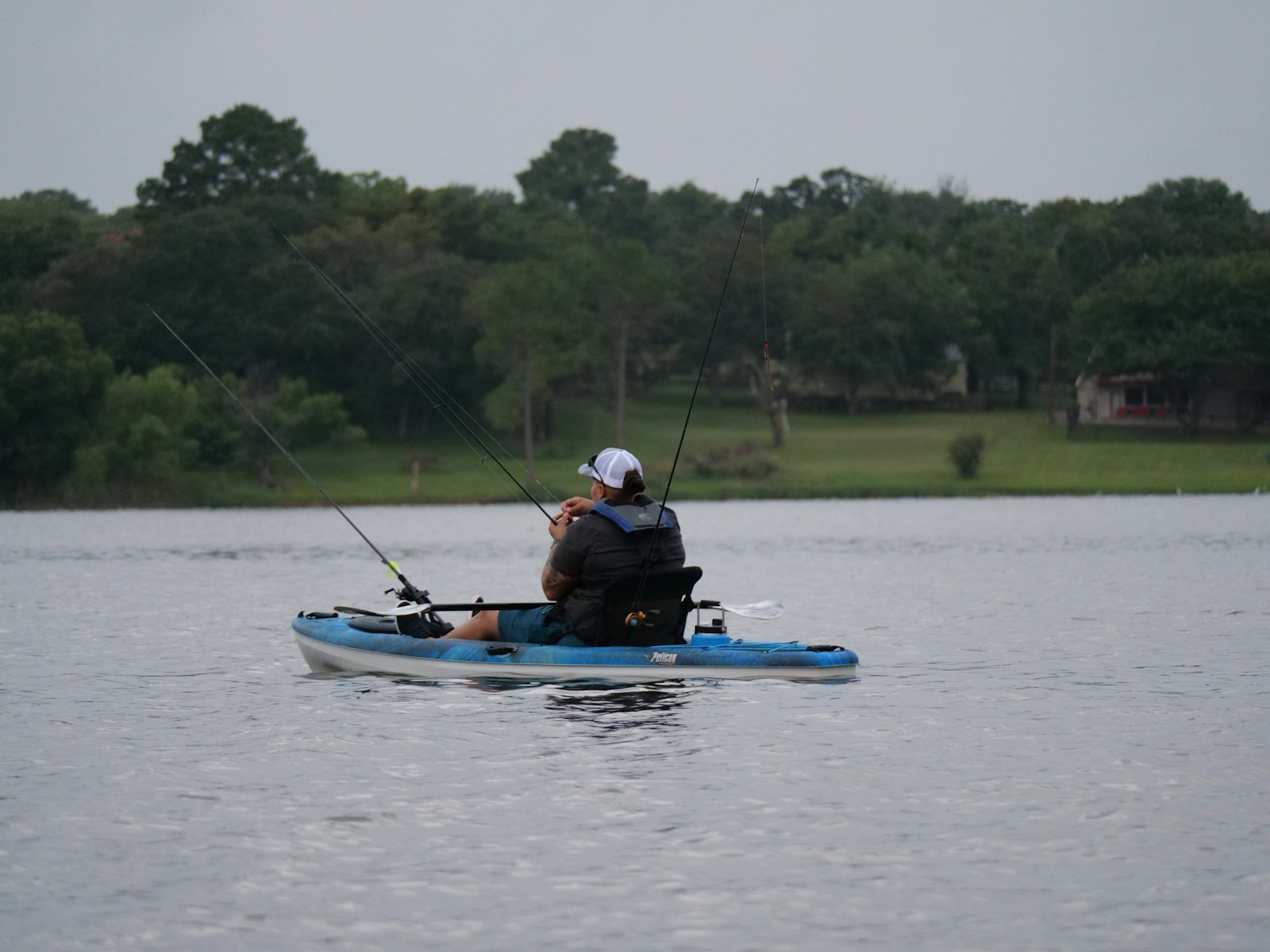
A lot of kayak anglers think trolling is just something you do while moving from one spot to another. That is the lazy version of it. The useful version is much better: trolling is a deliberate way to cover water, locate active fish, and learn what depth and speed the day actually wants.
It works especially well when fish are scattered, when you are on a new lake or bay, or when you need to search a long edge instead of making repeated blind casts at one small target. From a kayak, trolling also fits the platform naturally. You are already moving quietly, and you can turn travel time into fishing time if you do it with control.
The key is not dragging random lures behind the boat. The key is controlling speed, running depth, line spacing, and turns so your lure keeps working the way it is supposed to.
Why kayak trolling is worth learning
Recent kayak trolling guides still agree on the same big advantage: a kayak covers water far more efficiently than fan-casting every shoreline stretch, but it keeps a quieter and more natural presentation than a larger boat. That matters when fish are roaming flats, channel edges, drop-offs, weed lines, or open-water bait zones.
Trolling is most useful when:
- fish are spread out instead of stacked on one obvious target
- you want to search a contour, point, ledge, reef edge, or grass line
- you are moving between spots anyway and do not want dead travel time
- wind or current makes repeated precise casting less efficient
- you need to learn what depth band is actually producing bites
It is less useful when fish are buried deep in heavy cover or when the only productive presentation is repeated pinpoint casting at one small piece of structure.
The speed range that works for most kayak trolling
For most freshwater and light inshore kayak situations, a practical starting range is about 1.5 to 3.5 mph. That is fast enough to keep many crankbaits, swimbaits, and compact trolling lures working cleanly, but slow enough that you still have control from a human-powered boat.
Step 1: Start by checking lure action beside the kayak
Action: Before you send the lure way back, drop it beside the kayak and move forward long enough to see whether it tracks straight and swims cleanly.
Common mistake: Assuming every lure works the same at kayak speed.
Expected feel: The rod tip should pulse consistently, not surge awkwardly or go dead.
If the lure blows out, rolls, or looks weak, adjust speed before you do anything else. A lure that looks wrong ten feet behind the kayak will not magically improve fifty feet back.
Depth control matters more than perfect depth precision
Most kayak trolling is not about hitting an exact sonar number on every pass. It is about keeping the lure in a productive zone without constantly fouling bottom or riding too high.
You control depth mostly with four levers:
- lure style and bill size
- kayak speed
- amount of line behind the kayak
- added weight, if you need it
Step 2: Use speed first, not extra hardware first
Action: If your lure is ticking bottom too often, speed up slightly or shorten line before adding more complexity. If it is running too high, slow down slightly or let out more line.
Common mistake: Adding heavy weight immediately and making the setup harder to manage.
Expected feel: You want occasional feedback from the lure, not constant digging or complete silence.
In shallow water, even a small speed increase can keep a lure cleaner. In deeper water, more line and a lure built for a slower trolling pace usually help more than brute force.
Rod positioning keeps the cockpit under control
The fastest way to hate kayak trolling is to create tangles around your seat. Rod angles solve a lot of that.
A very practical setup is to run rod holders around 45 degrees, with the rods angled outward so each line tracks away from the kayak instead of straight into the same lane. If you are using more than one rod, stagger the presentations by both distance and running depth.
Step 3: Keep at least one rod where you can see it easily
Action: Position one rod forward enough that you can watch the tip pulse and spot weeds, fouling, or a lure that has quit working.
Common mistake: Putting every rod too far behind you and fishing blind.
Expected feel: A healthy trolling setup gives you steady visual feedback, not surprises.
For most anglers, one or two lines is plenty in a paddle kayak. A pedal kayak can handle more, but more lines only help if you can still turn, clear, and land fish cleanly.
Paddle kayak vs. pedal kayak: what actually changes
Pedal kayaks have a real advantage for trolling because they let you keep moving while your hands are free to adjust rods, clear grass, or fight a fish. They also make it easier to hold a consistent speed, especially in wind.
Paddle kayaks still work well, but they demand cleaner decisions. When you stop paddling to grab a rod, the kayak may yaw, slow suddenly, or drift sideways. That can change lure action fast.
Step 4: Match the spread to your propulsion style
Action: If you paddle, keep the spread simple and prioritize easy line management. If you pedal, use the extra control to maintain speed and make smoother directional changes.
Common mistake: Fishing a complicated multi-rod spread from a paddle kayak before mastering one clean presentation.
Expected feel: The setup should stay manageable even during a strike, not only when everything is calm.
Turns are part of the presentation
Wide, gradual turns usually troll better than sharp ones. On a turn, the inside lure slows and drops while the outside lure speeds up and rises. That speed change often triggers bites, but it also creates tangles if your lines are too similar in length or too close together.
Step 5: Make deliberate S-turns instead of random steering
Action: Use slow, controlled direction changes along a weed edge, contour, or channel line.
Common mistake: Spinning too tightly and crossing your own spread.
Expected feel: The lures keep working, and the kayak tracks the structure instead of fighting it.
This is one of the easiest ways to test whether fish want a slightly faster or slower presentation without making a major rig change.
Best times and places to troll from a kayak
Kayak trolling is strongest when you can cover a known travel lane or feeding edge.
Look for:
- channel edges and drop-offs
- long weed lines
- reef edges and shallow-to-deep transitions
- shoreline points
- flats with scattered bait
- open-water paths between active zones
It often shines in early morning, late evening, and seasonal transition periods when fish move between shallow and deeper water. It is also a strong choice when you are learning unfamiliar water and need fast feedback.
Safety is part of the technique
A trolling setup adds rods, hooks, moving lines, and the chance of a hard strike while your kayak is still in motion. That means safety cannot be the boring afterthought.
Wear your PFD every time. Leash rods that you cannot afford to lose. Keep hooks organized so a sudden fish does not turn the cockpit into a mess. Pay attention to wind, current, and boat traffic before you decide how many lines to run. If conditions are sketchy, scale the whole thing down.
A simpler spread that stays fishable is better than an ambitious spread that becomes dangerous.
Final thought
Good kayak trolling is really a control game. Start with one clean lure, get the speed right, watch the rod tip, and make small adjustments to line length, angle, and turns before you complicate anything.
Once you do that, trolling stops feeling random. It becomes one of the easiest ways to cover water, find active fish, and learn how the day is setting up. From a kayak, that is a serious advantage.