How to Catch Smallmouth Bass: A Practical 2026 Guide for Rivers, Lakes, and Clear-Water Bites
Learn how to catch smallmouth bass with practical advice on where they hold, the best spinning and baitcasting setups, top lures for rocks and current, and season-by-season adjustments that help you get more bites.
How to Catch Smallmouth Bass: A Practical 2026 Guide for Rivers, Lakes, and Clear-Water Bites
Quick Overview: If you want to catch more smallmouth bass, think rock, current, clean water, and forage. Smallmouths set up around boulders, gravel, current seams, points, shoals, and offshore rock because those places concentrate crawfish and baitfish. For most anglers, the easiest starting setup is a 6’9” to 7’2” medium or medium-light spinning rod, a 2500 to 3000 size reel, 10-pound braid, and an 8- to 10-pound fluorocarbon leader. Start with a Ned rig, tube jig, jerkbait, or small swimbait, then adjust by season.
Recent smallmouth guidance updated by Outdoor Life in 2025 and FishUSA in 2025 still points to the same core pattern: smallmouth prefer cooler, clearer water than largemouth, feed heavily around rock and current, and often get much easier to catch when you match lure style to their main forage, especially crawfish and baitfish. That matters because too many anglers still fish for smallmouth like they are largemouth living on weed edges. Sometimes that works, but the higher-percentage play is usually to find hard bottom, moving water, or isolated rock near depth.
The good news is that smallmouth are one of the most learnable gamefish in freshwater. They are aggressive, visible in many systems, and tend to reward clean decision-making. If you focus on where they position and why they move, you can cut the learning curve fast.
Understanding Smallmouth Bass Behavior
Smallmouth bass are built for current, hard bottom, and active feeding windows. They thrive in rivers, natural lakes, reservoirs, and Great Lakes style water where rock, gravel, and clean water give them both ambush cover and predictable feeding lanes.
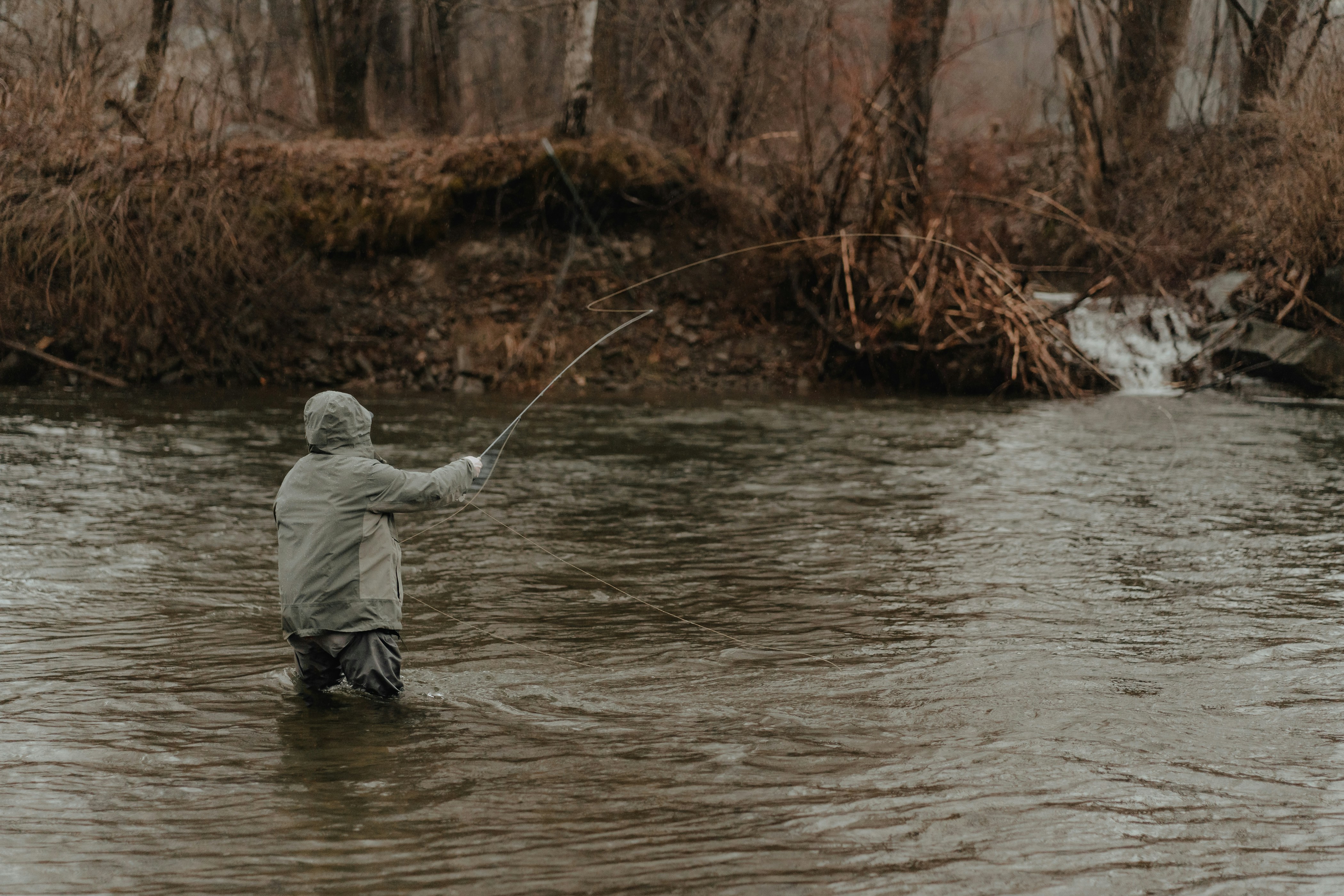
In rivers, the best fish are rarely sitting in the heaviest current. More often, they hold on the edges of force: behind boulders, beside laydowns, along seams, at the downstream side of islands, or where shallow riffles drop into deeper runs. They want access to food without wasting energy.
In lakes and reservoirs, look for main-lake points, rocky flats, shoals, bluff transitions, saddle areas, and offshore humps. Smallmouth often slide shallower to feed during low light or stable conditions, then back off when the sun gets high or boat pressure builds.
They are also more forage-driven than many beginners realize. If you see crawfish, gobies, perch, shiners, smelt, or young-of-year baitfish in a system, you already have a strong clue about which lure shapes and colors deserve your confidence.
Best Gear Setup for Smallmouth Bass
You do not need a deck full of technique-specific rods to start catching smallmouth. A few sensible setups cover almost everything.
Spinning setup for most anglers
- Rod: 6’9” to 7’2” medium-light or medium fast action
- Reel: 2500 to 3000 size spinning reel
- Main line: 10-pound braid
- Leader: 8- to 10-pound fluorocarbon
This is the best all-around setup for Ned rigs, drop shots, tubes, hair jigs, small swimbaits, and finesse jerkbaits. It casts light lures well and gives you better control in wind and current than straight fluorocarbon.
Casting setup for moving baits and heavier cover
- Rod: 6’10” to 7’3” medium or medium-heavy fast action
- Reel: low-profile baitcaster in a moderate to fast retrieve
- Line: 10- to 12-pound fluorocarbon or 20- to 30-pound braid with leader depending on the lure
This setup shines for jerkbaits, crankbaits, topwaters, spinnerbaits, and heavier swimbaits.
If you are only buying one combo, choose the spinning setup first. It is the most forgiving, the most versatile, and usually the best fit for clear-water smallmouth.
The Best Lures and Baits for Smallmouth
Smallmouth will eat a lot of things, but a few lure families consistently matter more than the rest.
Ned rig
A Ned rig is one of the highest-confidence choices in modern smallmouth fishing. It catches numbers, works in cold water, and still produces in summer when fish get pressured. Fish it slowly across gravel, rock, and current seams. Let it glide, settle, and barely move.
Tube jig
A tube is still a classic because it looks enough like a crawfish, goby, or baitfish to stay relevant almost everywhere. Drag it, hop it, or stroke it over broken rock. If your lake or river has abundant crawfish, a tube deserves time in your hand.
Jerkbait
Current 2025 advice from Outdoor Life and FishUSA still lines up here: jerkbaits are especially strong in spring and fall when smallmouth are feeding on baitfish in clear water. The key is not the twitch. It is the pause. Many bites come when the lure sits still.
Drop shot
When fish are visible on electronics, suspended near depth changes, or simply refusing faster baits, a drop shot is the cleanup hitter. It is especially effective in clear lakes and reservoirs where smallmouth inspect a bait before committing.
Small swimbait and crankbait
These are your tools for covering water. A compact paddletail on a jighead helps you search points, shoals, and flats. A crankbait works well when fish are actively feeding around rock, especially when wind pushes bait onto a bank.
Topwater
Summer low-light windows can be excellent. Walking baits, poppers, and small prop baits are worth throwing early, late, and anytime cloud cover or chop keeps fish looking up.
Natural bait can also work where legal, but for most readers of this site, artificial lures are the better long-term path because they help you learn water faster.
Where to Find Smallmouth Bass
If you are starting from scratch, narrow your search to these high-percentage spots:
- Rocky points that extend into deeper water
- Boulder fields with current or wave action
- Current seams and eddies in rivers
- Gravel flats near spawning bays or pockets in spring
- Shoals and offshore humps in summer
- Wind-blown banks when baitfish are present
- Bluff ends and transition banks where rock changes size or depth changes quickly
The biggest mistake beginners make is fishing too much empty shoreline. Smallmouth are mobile, but they are not random. If the area lacks rock, forage, current, depth change, or some combination of those, move.
Seasonal Guide for Smallmouth Success
Spring
Spring is one of the best times to catch both numbers and quality. Fish transition areas leading toward spawning flats, especially gravel and rock near staging depth. Jerkbaits, tubes, finesse swimbaits, and Ned rigs all play.
During the actual spawn, fish shallow but carefully. Sight-fishing can work, but it is often smarter to target nearby staging fish that are actively feeding.
Summer
Summer smallmouth can be shallow early and late, then slide deeper or set up on offshore structure once the sun gets high. Look for shoals, humps, current, and wind-driven feeding areas. Topwater is excellent during short windows, while drop shots, football jigs, and swimbaits help once fish reposition.
Fall
Fall is a feeding season. Smallmouth often group up and chase bait more aggressively. Jerkbaits, swimbaits, spinnerbaits, and crankbaits become especially good because you can cover water and find active fish quickly.
Winter
In places where winter fishing is open, slow way down. Focus on deeper rock, current shelter, and subtle presentations. Hair jigs, finesse plastics, and suspending jerkbaits can all work, but patience matters more than lure variety.
Practical Tips That Help Immediately
- Watch the wind. Wind often improves the bite by positioning bait and breaking up light penetration.
- Match the water clarity. In clear water, more natural colors and longer casts usually help.
- Do not overpower your line. Smallmouth often bite better on sensible leader sizes.
- Lean into pauses. This matters especially with jerkbaits, tubes, and finesse rigs.
- Fish the edges of current, not just the middle of it. The best fish often use current breaks efficiently.
- Let forage pick your lure family. Crawfish systems reward tubes, Ned rigs, and jigs. Baitfish-heavy systems often push jerkbaits and swimbaits higher.
Final Word
If you want a simple plan, start on rocky structure with a spinning combo and a Ned rig or tube, then expand into jerkbaits, drop shots, and topwater as conditions tell you more. Smallmouth bass can live in very different water, but they stay predictable once you pay attention to rock, current, clarity, depth, and forage.
That is the real shortcut. Do not just cast where it looks nice. Find the places where smallmouth can feed efficiently, then fish a lure that matches what they are already hunting. When you do that consistently, smallmouth stop feeling difficult and start feeling very beatable.