How to Catch Channel Catfish: A Practical 2026 Guide for Bank Anglers, Rivers, and Reservoirs
Learn how to catch channel catfish with practical advice on seasonal movement, bank-friendly rigs, circle hooks, bait choices, and where to find feeding fish in rivers, lakes, and reservoirs.
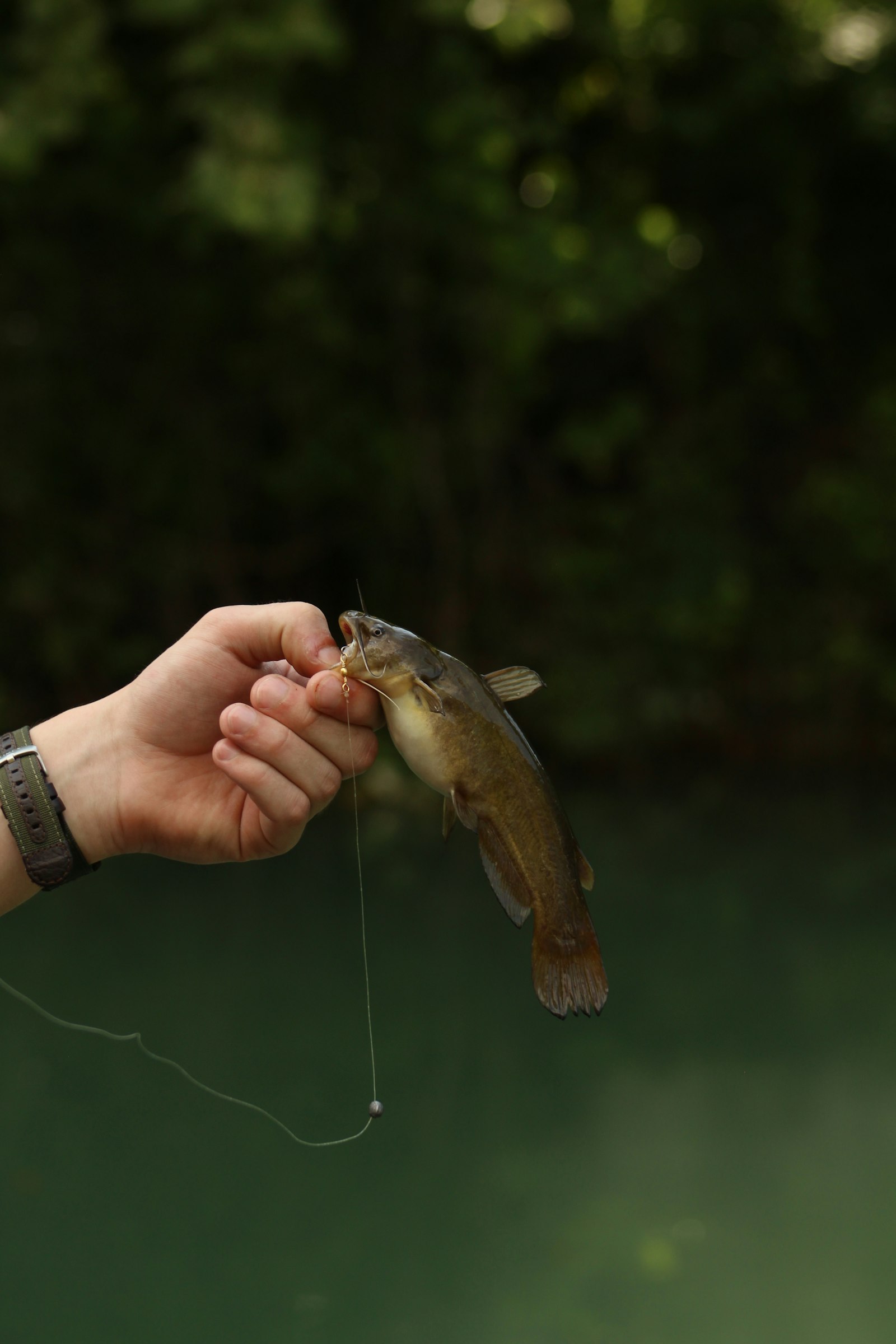
How to Catch Channel Catfish: A Practical 2026 Guide for Bank Anglers, Rivers, and Reservoirs
Quick Overview: If you want a species that is forgiving, fun, and available in a huge range of waters, channel catfish are hard to beat. For most anglers, the easiest all-around setup is a 7- to 8-foot medium-heavy rod, a 3000 to 5000 size spinning reel or a simple baitcaster, and 15- to 30-pound mono or braid. Start with a slip-sinker rig, a leader around 18 to 24 inches, and a circle hook, then fish cut bait, nightcrawlers, punch bait, or chicken-based bait around current breaks, outside bends, riprap, deeper holes, creek mouths, and shallow feeding flats near deeper water.
Recent 2025-2026 guidance from state agencies, guide services, and catfish-focused articles keeps repeating the same basic truth: channel catfish are easiest to catch when you match your location to water temperature, flow, and food movement. Fancy tackle helps less than most people think. Good catfish anglers spend more time choosing the right bank, current seam, or shoreline than swapping between ten different rods.
That is why channel catfish remain one of the best target species for weekend anglers. You can catch them from shore, from a small jon boat, from a kayak, or while camping with simple gear. They are common enough to provide steady action, but big enough that a better fish still feels like a real event.
Understanding Channel Catfish Behavior
Channel catfish are opportunistic feeders that use smell, current, cover, and depth changes well. They are comfortable in rivers, reservoirs, ponds, and natural lakes, but they do not roam randomly. Most of the time they set up where food is likely to collect or where they can move from security to feeding water with minimal effort.
In rivers, that usually means outside bends, logjams, current breaks, eddies, holes below riffles, and seams where faster water meets softer water. In reservoirs and lakes, they often use riprap banks, creek-channel edges, flats near deeper water, submerged timber, rocky points, and inflow areas. Channel cats do not need extreme cover the way flatheads often do, but they still relate strongly to structure and travel routes.
One thing that makes them beginner-friendly is that they often feed on straightforward, high-scent offerings. You do not need perfect lure presentation. You do need to put bait where active fish can find it.
Recent spring and warm-season reporting also keeps reinforcing another key point: water movement matters. After rain, rising or falling flow, dam generation, or wind pushing food toward a bank can all improve the bite. When current or wind concentrates bait, catfish usually notice before anglers do.
Best Gear Setup for Channel Catfish
You do not need heavy trophy-only tackle for typical channel catfish. A balanced medium-heavy outfit is more versatile and much more enjoyable on eater-size fish.
Best all-around setup
- Rod: 7’ to 8’ medium-heavy rod
- Reel: 3000 to 5000 size spinning reel, or a simple low-maintenance baitcaster
- Main line: 15- to 20-pound mono, or 20- to 30-pound braid
- Leader: 15- to 30-pound mono or fluorocarbon leader
That setup handles river banks, reservoirs, riprap, creek mouths, and night fishing without feeling clumsy. Mono is simple and forgiving. Braid helps when you want better feel in current or around wood and rock. If you use braid, a mono or fluorocarbon leader adds abrasion resistance and keeps the terminal end a little less harsh.
If you mainly fish snaggy rivers with stronger current, moving up to a longer 8-foot medium-heavy or heavy rod is reasonable. If you mainly fish ponds, park lakes, or smaller channel cats from easy banks, a stout medium rod can still work.
The real goal is not brute force. It is the ability to cast enough weight, hold bottom, and land fish cleanly around cover.
The Best Rigs, Sinkers, and Hooks
For most anglers, the slip-sinker rig is the best starting point and the best finishing point too. It is simple, cheap, and works almost everywhere channel cats live.
Basic slip-sinker rig
- main line
- egg sinker, no-roll sinker, or sinker slide
- bead
- barrel swivel
- 18- to 24-inch leader
- circle hook
In lakes or light current, a 1/2- to 1-ounce sinker is often enough. In rivers or stronger flow, you may need 2 to 4 ounces or more. The exact weight matters less than one basic rule: use just enough lead to hold the zone you want without the rig tumbling constantly out of position.
Circle hooks are the smartest default choice for channel catfish. Sizes vary by bait, but many anglers do well with 2/0 to 5/0 for average fish and common natural baits. Circle hooks usually catch in the corner of the mouth, which is better for landing fish cleanly and better for release. They also fit the way many bank anglers fish. Instead of swinging hard, you let the rod load up and then reel into the fish.
If current is heavy or fish are short-biting, you can shorten the leader slightly. If fish are feeding softly on a calmer flat, a somewhat longer leader can help the bait move more naturally.
The Best Baits for Channel Catfish
Channel catfish are not picky in the abstract, but they can absolutely prefer one scent or texture over another on a given day. Start with confidence baits, then adjust.
Cut bait
Fresh cut bait is one of the most consistent options in rivers and reservoirs, especially where shad or similar forage are common. Small chunks release scent steadily and often draw better-quality fish.
Nightcrawlers and worms
Worms still catch plenty of channel cats, especially in ponds, smaller rivers, and family-fishing situations. They are easy, clean enough, and often outfish stronger-smelling options when fish are feeding casually.
Punch bait and dip bait
These remain strong options for warm-water bank fishing, especially when you want a bait that creates a big scent trail quickly. They are often excellent for numbers of eater-size channel cats.
Chicken-based bait, liver, and prepared bait
Chicken pieces, liver, and commercial catfish baits still catch fish everywhere. They are messy, but they stay popular because they work. If one version washes off too quickly in current, switch to something tougher or use bait thread.
The useful rule is simple: match your bait to your water. In shad-based reservoirs, cut bait often makes more sense. In local ponds or slower banks where fish are used to scent-heavy offerings, punch bait or worms may be the easier play.
Where to Find Channel Catfish First
If you show up to new water and want a high-percentage plan, start with these spots:
- outside bends with deeper water nearby
- riprap banks, especially near bridges or dams
- creek mouths entering reservoirs or lakes
- flats next to channel drops
- eddies and current breaks beside wood or rock
- shallow feeding shelves after dark
- areas below dams or any place with steady food flow
For bank anglers, one of the biggest mistakes is setting up in a comfortable open area that looks nice but offers no travel route, depth change, or current edge. Comfortable is good. Featureless is not.
A better approach is to ask one question first: where can catfish move from safety to food without spending much energy? That usually leads you toward seams, holes, riprap, creek mouths, and flats beside deeper water.
Seasonal Guide for More Channel Catfish
Spring
Spring is one of the best times to start targeting channel cats seriously. As water warms, fish become more active and often feed aggressively after winter. Focus on creek inflows, warming banks, outside bends, and river sections with improving flow and clarity. Pre-spawn fish often feed well before moving into actual spawning periods.
This is also a great season for shore anglers because fish do not always stay buried in the deepest water. On warming trends, they may slide surprisingly shallow, especially late in the day.
Summer
Summer is classic channel catfish season. Fish often feed best in low light, at night, after rain, or when current increases, but they can still be caught during the day in deeper holes, shade, or current edges. In reservoirs, evening bites on flats near channels can be excellent. In rivers, outside bends and wood near current remain reliable.
If daytime fishing slows, do not assume the area is dead. It may simply become a better sunset-to-midnight spot.
Fall
Fall is underrated. Cooling water often pushes fish into another solid feeding phase. Look for channel edges, creek mouths, riprap, and transition banks where fish can intercept bait. This is a good season for cut bait and a good time to cover a bit more water until you contact active fish.
Winter
Winter channel catfish usually group tighter and hold in more stable water. Slow down, fish deeper holes or reservoir channels, and be patient. The bite is often lighter, but fish are still catchable, especially in places with current, slightly warmer inflow, or stable winter habitat.
Practical Tips That Help Right Away
- Use enough weight to stay put, but no more than needed. Too much lead can make the rig feel dead and awkward.
- Let circle hooks do their job. Reel down instead of making a dramatic hookset.
- Give each spot real time, but not endless time. If a good-looking spot stays quiet, move.
- Fish the best part of the bank, not the easiest parking spot. Structure matters.
- Pay attention to wind and current changes. Food concentration often flips a slow bank into a good one.
- After dark, check shallower water near deeper access. Channel cats frequently slide up to feed.
- Keep bait fresh. Old, washed-out bait stops helping fast.
Final Word
If you want the simplest reliable channel catfish plan for 2026, start with a medium-heavy bank-friendly rod, a slip-sinker rig, a circle hook, and fresh bait placed near a real travel route. Think current, depth change, riprap, creek mouths, and nearby feeding flats before you worry about complicated gear.
Channel catfish reward anglers who stay practical. You do not need perfect weather, a fancy boat, or expensive electronics. You need a good spot, a bait fish can find, and the patience to let the location work. Once you learn how seasonal movement and feeding lanes fit together, channel cats become much easier to pattern and much more consistent to catch.