Cape Cod Canal Fishing Guide: Breaking Tides, Big Stripers, and How to Fish It Right
A practical Cape Cod Canal fishing guide covering seasons, breaking tides, shore access, target species, gear, safety, and the planning details that matter before you fish the ditch.
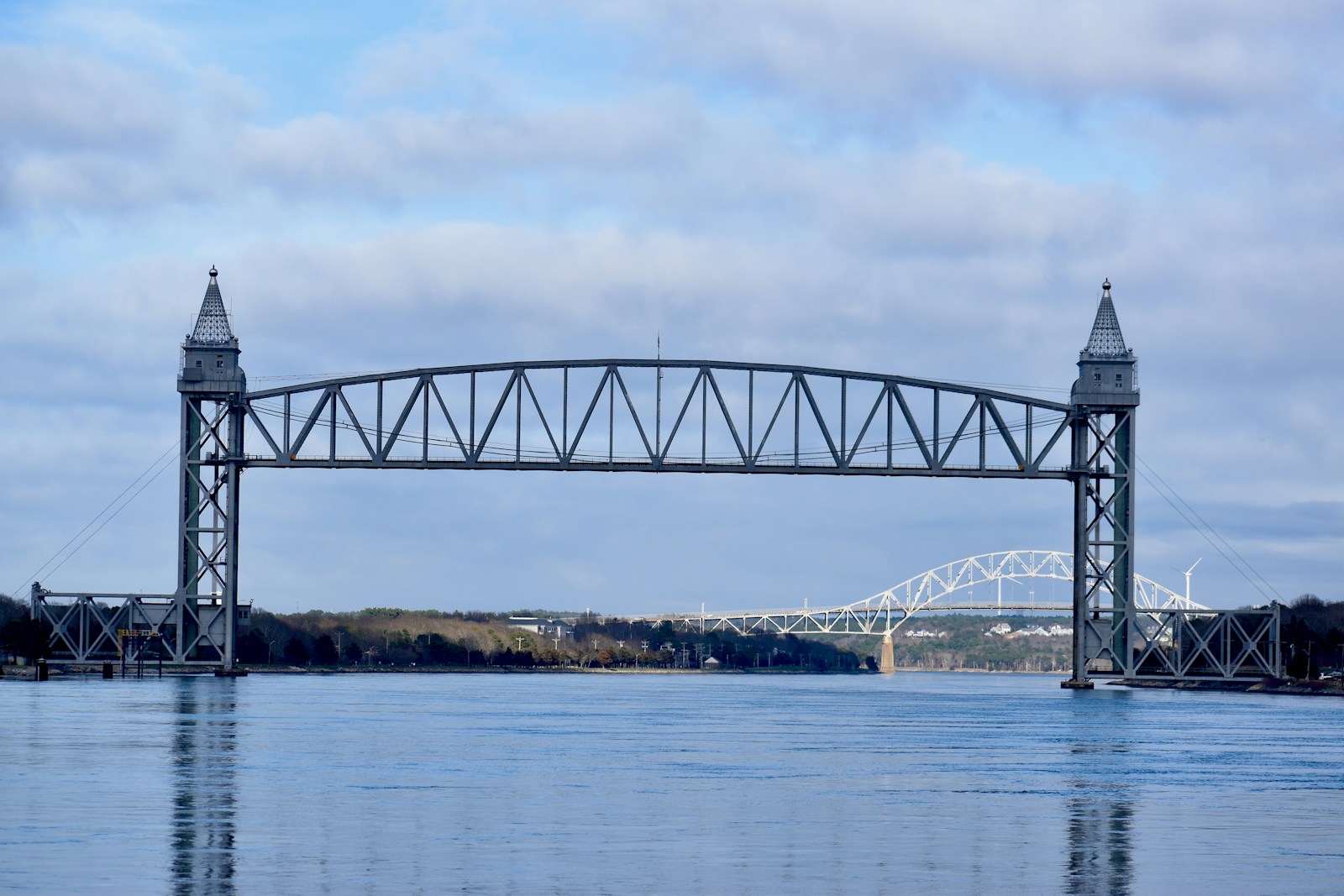
Cape Cod Canal Fishing Guide: Breaking Tides, Big Stripers, and How to Fish It Right
The Cape Cod Canal is one of those places that gets talked about like a myth until you actually see it. It is not a quiet little backwater and it is not a casual pond with a scenic bike path around it. It is a fast-moving man-made shipping canal, roughly seven miles long, with deep water pushed hard by tidal flow between Cape Cod Bay and Buzzards Bay. That current is exactly why serious shore anglers love it. Bait gets funneled through a narrow corridor, big striped bass use that movement to feed, and some of the most exciting land-based saltwater fishing in the Northeast happens right from the bank.
The canal can also humble people fast. Current speed matters. Tide timing matters. Footing matters. Crowds matter. If you show up with the wrong expectations, it can feel dead or chaotic. If you plan it properly, it becomes one of the most practical trophy-striper destinations in the country for anglers who do not even own a boat.
This guide keeps it simple: what the canal is good for, when to fish it, where to start, what gear actually makes sense, and what rules to double-check before you go.
At a Glance
| Detail | Info |
|---|---|
| Best Known For | Shore-based striped bass fishing with real trophy potential |
| Best Trip Style | Walking the bank, casting around tide changes, dawn and night sessions |
| Main Species | Striped bass, bluefish, occasional bonito or false albacore, some tautog in season |
| Best Overall Window | Mid-May through October, with June and fall runs standing out |
| Most Important Variable | Tidal timing, especially breaking tides |
| Best For | Surfcasters, traveling shore anglers, trophy striper hunters, anglers comfortable walking and casting hard |
| License Note | Massachusetts recreational saltwater permit required for most anglers age 16+; verify current striper rules before fishing |
Why the Cape Cod Canal Is Worth the Trip
What makes the canal special is not just that fish pass through it. Plenty of places have migratory fish. What makes this spot different is how concentrated the opportunity becomes for bank anglers. The canal acts like a funnel. Migrating stripers moving along the Massachusetts coast push through a tight lane with strong current, changing water direction, and a constant supply of bait. That creates predictable feeding windows in a place where a shore angler can reach serious fish.
That matters because most well-known striped bass destinations lean heavily on boats, kayaks, or local access knowledge. The canal is different. You can show up with boots, a surf bag, a handful of plugs, and a plan built around the tide chart. That accessibility is a big part of the draw. So is the visual side of it. When bass pin bait against the current seam and start blasting bait on the surface, the canal can produce the kind of topwater session people talk about for years.
Still, this is not random casting water. The canal rewards timing more than blind effort.
What You Can Realistically Target
Striped Bass
Striped bass are the headline species and the main reason most anglers travel here. Spring fish push in as water warms and migration builds, summer can offer excellent canal action around bait and current changes, and fall brings another strong window as fish move back south. If you only care about one species, build the whole trip around stripers and tide stages.
Bluefish
Bluefish are not always the reason people drive to the canal, but they absolutely matter. When they show up, they can turn a slow session into a busy one in a hurry. They also change lure survival rates, so it is smart to keep a few tougher metal or hard-bait options ready.
Bonito and False Albacore
These are more bonus fish than the core canal promise, but late-summer and early-fall speedsters around the broader Cape area are always part of the seasonal conversation. If they push close enough, they add variety for anglers who already planned a trip around stripers.
Tautog and Other Seasonal Extras
Depending on the time of year and the exact area, tautog and a few other species may show up in the conversation, especially near structure. They are not the main reason to choose the canal, but they are a reminder that the fishery is not one-dimensional.
Best Times to Go
The safest broad recommendation is mid-May through October.
Late May into June is famous for a reason. Migrating striped bass are present, bait is moving, and the canal’s most talked-about surface feeds often happen during this stretch. If someone asks for the classic first canal trip, this is the window I would point to.
July and August can still fish well, especially when bait is around and you stay disciplined about low-light periods, current shifts, and weather. Summer is not automatically easy, but it can be very good.
September into October is another excellent run because southbound fish stack through the system and cooler water tends to sharpen activity again. Fall can be less romanticized than June, but it is a serious window.
If you want the strongest odds, do not choose dates first and hope for the best. Start with a tide chart, then fit your travel around the most useful windows.
Breaking Tides: The Real Planning Variable
If you are new to the canal, this is the phrase you need to understand: breaking tides.
Anglers use it to describe the current change around slack and turnover when the canal shifts direction. Those moments are famous because bait gets disoriented, current seams change shape, and striped bass often feed aggressively near the transition. Dawn breaking tides get the most attention, and for good reason. When first light lines up with a favorable tide change, the canal can produce explosive topwater action.
This does not mean every breaking tide is magical. Weather, bait presence, moon phase, and fishing pressure still matter. But if you ignore tide direction and just fish whenever it is convenient, you are skipping the biggest advantage the canal gives you.
The practical approach is simple:
- fish the last part of a productive moving tide into the turn
- prioritize dawn and low-light windows when possible
- check official tide tables for the canal, not just a nearby beach app
- arrive early enough to walk, watch current direction, and set up before the window starts
The canal is one of the few places where planning around one or two short windows can be smarter than grinding all day.
Where to Start and How Access Works
The canal is attractive because access is relatively straightforward compared with many saltwater striper destinations. There are public access areas, service roads, walking and biking paths, and multiple points where bank anglers can cover water without needing a boat. Both canal ends get plenty of attention, and anglers often move based on tide direction, bait sightings, and crowd pressure.
For a first trip, think in zones rather than trying to memorize every named spot immediately. The practical plan is to choose one access point with legal parking, walkable shoreline, and enough room to adjust if the first stretch looks crowded.
That said, easy access does not mean easy conditions. The banks can be uneven. Rock and concrete footing can be slick. Night sessions require real lighting discipline and stable footwear. If you are the kind of angler who packs light and moves often, the canal suits you better than a giant stationary gear pile.
Gear That Actually Makes Sense Here
A canal setup should be built around distance, current control, and enough power to handle a big fish from shore.
A practical canal loadout:
- a 9- to 11-foot surf or heavy shore-casting rod
- a saltwater spinning reel with smooth drag and enough braid capacity
- 30- to 40-pound braid for general canal striper work
- leaders suited to plugs, jigs, and current-heavy presentations
- pencil poppers, metal-lip or swimming plugs, soft plastics on heavy jig heads, and metals for covering water
- a surf bag or sling you can comfortably walk with
- cleated boots or reliable traction footwear for wet rock and bank sections
- a red or dimmable headlamp for night and pre-dawn sessions
If you are deciding between bringing more lures or better footwear, choose the footwear. Bad footing ends canal sessions faster than bad lure color.
Safety, Etiquette, and Reality Checks
This is where smart anglers separate themselves from social-media highlight chasing.
The current in the canal is strong enough to demand respect every trip. Do not treat it like a place to wade casually. Stay alert near rocks and edges, especially in darkness, fog, or spray. Vessel traffic also matters because this is an active navigation channel, not a fishing-only park.
Etiquette matters too. The canal attracts dedicated regulars, traveling anglers, and crowd surges during prime windows. Give people room. Do not cut across active drifts or casting lanes. If fish are moving through and everyone is working a line, be the person who adds order rather than chaos.
Also, do not build your trip on old regulation screenshots. Massachusetts saltwater rules, including striped bass size limits, bag limits, and gear requirements such as circle-hook rules for natural bait in certain situations, can change. Verify them before you fish.
License and Rule Notes
For most anglers age 16 and older, a Massachusetts recreational saltwater fishing permit is required. Charter passengers are typically covered under the vessel’s permit, but DIY shore anglers should assume they need their own unless they clearly qualify for an exemption.
The more important rule reminder is striped bass compliance. Because striper regulations can shift, the safest wording is this: verify the current Massachusetts striped bass season, slot, possession limit, and any bait-hook requirements before your trip. If you plan to keep fish, verify again the night before you go.
The canal is too famous a place to get lazy about that stuff.
Final Verdict
The Cape Cod Canal deserves the hype because it gives shore anglers a real shot at the kind of striped bass fishing that usually feels boat-gated. It is accessible, dramatic, and practical if you plan around the tide instead of around convenience.
If I were sending a first-timer there, I would keep the plan brutally simple: pick a late-May-to-June or fall date, match it to a promising dawn breaking tide, pack a mobile surf setup, wear traction-focused footwear, and commit to fishing smart instead of fishing long. Do that, and the canal starts making sense fast.
It can still beat you. That is part of the appeal. But when the current turns, bait stacks, and a big bass blows up on top within casting range, few bank-fishing destinations in America feel better than this one.