Best Fishing Landing Nets in 2026: 5 Practical Picks for Trout, Bass, Kayaks, and Catch-and-Release
A practical 2026 guide to the best fishing landing nets, including rubber net bags, hoop size, handle length, kayak-friendly options, and which styles actually make fish handling easier.
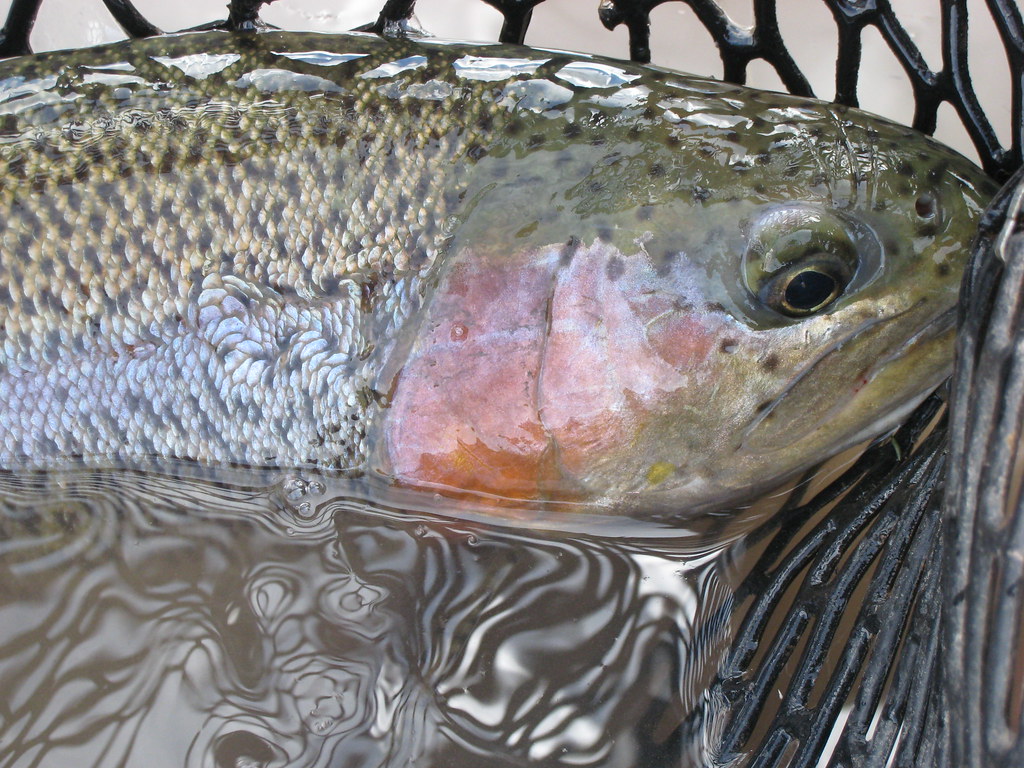
A landing net is one of those tools anglers often buy too late. They spend money on rods, reels, braid, electronics, and fancy storage, then keep trying to lip every bass, beach every trout, or awkwardly swing fish into a kayak until something goes wrong. Usually the wake-up call is a lost fish at the rail, a buried treble near a hand, or a fish that gets banged up more than it should.
In 2026, the smart buy is usually not the biggest net or the cheapest one. It is the net that fits how you actually fish: trout streams, bass boats, bank fishing, piers, kayaks, or general catch-and-release freshwater use. Recent retailer lineups and current tackle buying trends still point in the same direction: rubber or rubber-coated net bags are worth it for most anglers, collapsible or short-handled models make more sense in kayaks and on tight banks, and oversizing a net is almost as annoying as undersizing one.
Bottom line
If you want the short version:
- Best overall for most freshwater anglers: Frabill Conservation Series Landing Net
- Best for trout and catch-and-release: Fishpond Nomad Emerger
- Best for kayak fishing: YakAttack Leverage Landing Net
- Best folding option for bank anglers: PLUSINNO Foldable Rubber Net
- Best value all-around choice: EGO S2 Slider Compact Rubber Net
If you fish often enough to care about fish handling, hook management, and not losing a good fish beside the boat, a decent landing net earns its keep fast.
What actually matters in a fishing landing net
The marketing copy for nets is usually boring, and honestly that is because the real buying factors are not glamorous. They are practical.
1. Rubber vs. nylon net bags
This is the first thing I would look at.
A rubber or rubber-coated bag is better for most modern lure anglers because it:
- tangles less with trebles
- is generally easier on fish slime and fins
- holds less water and stink than old-school fabric bags
- makes hook removal less annoying
Traditional nylon nets still exist, and some are fine, but if you fish plugs, jerkbaits, small cranks, inline spinners, or multiple-hook hard baits, a pure nylon bag can become a hook magnet in the worst possible way.
2. Hoop size
Bigger is not automatically better.
A hoop that is too small costs fish. A hoop that is too big becomes a nuisance on every cast, every walk down the bank, and every move in a kayak. Match it to the fish you target most often, not the one giant fish you hope to meet once.
3. Handle length
Handle length should match your platform:
- shorter handles for wading, kayaks, and tight bank fishing
- medium handles for most bass boats and general freshwater use
- longer or telescoping handles for piers, awkward shorelines, and higher decks
A long handle sounds versatile until it is constantly in the way. A short handle is great until you cannot reach the fish cleanly.
4. Weight and one-hand usability
A landing net that is technically excellent but awkward to deploy is worse than it looks on paper. This matters a lot in kayaks and while wading. If you need two calm hands and a rehearsal to unfold it, that is a problem.
5. Fish handling and catch-and-release
For catch-and-release anglers, net design matters. Fish do better when they are landed quickly, supported better, and spend less time thrashing on rough surfaces. A rubber bag and sensible hoop depth help with that.
The best fishing landing nets in 2026
1) Frabill Conservation Series Landing Net — Best overall for most anglers
Frabill keeps showing up in this category because the brand understands what many freshwater anglers actually need: a dependable rubberized net that is big enough to matter without turning into a circus prop.
Why it stands out
- Rubberized bag that is more lure-friendly than old nylon nets
- Good balance between hoop size and daily usability
- Strong all-purpose fit for bass, walleye, pike, and mixed freshwater fishing
- Easier fish control boatside than bargain nets with flimsy frames
Best for
Anglers who want one serious freshwater net for bass boats, jon boats, docks, and general-purpose trips.
Main downside
It is not the lightest or most compact option, so minimalist bank anglers may want something smaller.
2) Fishpond Nomad Emerger — Best for trout and catch-and-release
If you spend real time on rivers and creeks, Fishpond’s Nomad line makes sense for one simple reason: it feels purpose-built instead of improvised. The Emerger is especially good for trout anglers who want a net that handles well, treats fish better, and does not turn every fly or small treble into a knot puzzle.
Why it stands out
- Rubber bag is excellent for catch-and-release trout fishing
- Lightweight composite construction carries well on foot
- Easy match for wading, walk-and-wade streams, and drift-boat trout trips
- Cleaner fish handling than cheap generic trout nets
Best for
Trout anglers, stream fishers, and anyone who values fish-friendly handling more than maximum hoop size.
Main downside
The price is high for anglers who only occasionally fish moving water.
3) YakAttack Leverage Landing Net — Best for kayak fishing
Kayak fishing changes the net equation completely. You are lower to the water, tighter on space, and much more likely to regret a giant handle or an overly deep bag. The YakAttack Leverage earns its place because it was clearly designed by people who understand kayak chaos.
Why it stands out
- Compact format works well in tight cockpit space
- Thoughtful reach for boatside control without excess bulk
- Rubber bag helps with trebles and catch-and-release handling
- Much better fit for seated landing angles than many generic boat nets
Best for
Kayak anglers targeting bass, redfish in calmer water, pike, and general inshore or freshwater fish where space matters more than net maximums.
Main downside
It is less universal than a classic all-purpose bass-boat net.
4) PLUSINNO Foldable Rubber Net — Best folding option for bank anglers
A lot of folding nets are cheap junk. Hinges loosen, locks feel questionable, and the whole tool starts acting like something designed by people who never landed a fish in current or on uneven ground. But a decent folding rubber net still makes a lot of sense for bank anglers, travelers, and anglers who want a backup net that actually fits in the car.
Why it stands out
- Folding design stores easily in trunks, backpacks, and compact setups
- Rubber-coated bag is smarter than old fabric on multi-hook baits
- Good fit for casual bass, trout, panfish, and mixed freshwater trips
- Practical for anglers who need portability first
Best for
Bank anglers, travel anglers, and occasional fishers who want a portable net that is still genuinely useful.
Main downside
Long-term durability is usually not on the same level as better fixed-frame nets.
5) EGO S2 Slider Compact Rubber Net — Best value all-around pick
EGO’s slider system stays popular because it solves a real problem: sometimes you want extra reach, and sometimes you absolutely do not. The compact rubber version lands in a sweet spot for anglers who want flexibility without buying multiple nets.
Why it stands out
- Extendable handle adds useful reach without a permanently awkward profile
- Rubber mesh works well with hard baits and catch-and-release use
- Versatile enough for bass boats, docks, and many shore situations
- Strong value for anglers who want one net to cover multiple roles
Best for
Anglers who want one adaptable net instead of separate boat and shore nets.
Main downside
Any slider or telescoping system adds a little complexity compared with a fixed-handle net.
Which type of net should you buy?
The right answer depends heavily on your fishing style.
Buy a trout-style net if:
- you wade rivers or creeks
- you mostly fish flies, small spinners, or single-hook trout lures
- you care a lot about fish-friendly handling
- you want something light and easy to carry
Buy a bass-boat or general freshwater net if:
- you fish from boats, docks, or stable shorelines
- you deal with trebles often
- you want better control on bigger bass, pike, or walleye
- you need more hoop size than a compact trout net offers
Buy a kayak-focused or compact net if:
- space is limited
- you land fish while seated
- a long handle gets in the way more than it helps
- you need quick one-hand deployment
Buy a folding or telescoping net if:
- portability matters a lot
- you bank fish multiple spots in one day
- you keep gear in a car trunk or backpack
- you want a net that travels more easily than a fixed frame
Common mistakes anglers make
Buying too large
This is common. People imagine every trip includes a trophy fish, then spend the whole season dragging around a net better suited to salmon or muskie when they mostly catch trout, bass, and panfish.
Buying too cheap
A bargain net can work for a while, but flimsy hinges, weak yokes, poor mesh, and awkward handles show up fast once you start landing real fish regularly.
Ignoring hook management
If you fish trebles, you should care a lot about bag material. A net that constantly tangles hooks is not a minor annoyance. It slows landing, complicates fish handling, and increases chaos at exactly the wrong moment.
Forgetting your platform
The best bank net is not always the best kayak net. The best trout net is not always the best bass-boat net. Buy for your normal trips, not your fantasy trip.
My practical take
If most of your fishing is freshwater bass, walleye, pike, or mixed-species boat and dock fishing, a rubberized medium-size net like the Frabill Conservation Series is the safest overall answer.
If you wade rivers for trout, I would rather own a fish-friendly compact net than a generic big-box net that is annoying to carry and rougher on fish.
If you fish from a kayak, I would choose a purpose-built compact rubber net before I bought anything with an oversized hoop or long rigid handle.
And if you are still trying to go without a net because “I usually just swing them in,” that works right up until the day it really does not.
Rating: 4.5/5
Research notes
This article was built from current 2025–2026 product positioning and widespread tackle-buying patterns across major fishing retailers and manufacturer catalogs. The recurring practical consensus remains consistent: rubber or rubber-coated bags are preferred for catch-and-release and treble-hook management, kayak anglers benefit from compact designs, and telescoping or folding nets make sense when access and transport matter more than maximum hoop size.